
Book summary
The Master Algorithm explores the quest to create a single universal learning algorithm capable of deriving all knowledge from data and powering the future of AI. Pedro Domingos surveys the five major tribes of machine learning—symbolists, connectionists, evolutionaries, Bayesians, and analogizers—each with its own approach to turning data into knowledge. He argues that combining their strengths into one master algorithm will unlock unprecedented advances in science, business, and society. The book serves as both an accessible introduction to machine learning and a visionary blueprint for the ultimate learner that could automate discovery itself.
Key founder lessons
-
1
Embrace the five tribes of ML
Founders must integrate symbolist, connectionist, evolutionist, Bayesian, and analogizer approaches to build versatile AI products that solve real problems.
-
2
Seek the Master Algorithm
Pursue a unified learning model that derives all knowledge from data, enabling your startup to automate discovery and prediction across domains.
-
3
Data beats complexity
Prioritize amassing high-quality data over intricate algorithms, as volume and variety fuel superior learning in your company's systems.
-
4
Alchemy to science in ML
Treat machine learning as an engineering discipline with rigorous testing, turning your AI experiments into repeatable, scalable business processes.
-
5
Balance knowledge and data
Combine domain expertise with machine learning to create hybrid models that deliver accurate, interpretable insights for decision-making.
Grok's review
Ambitious but padded and now dated.
Domingos does a solid job walking through the five major tribes of machine learning (symbolists, connectionists, evolutionaries, Bayesians, analogizers) and makes a compelling case that the future belongs to some hybrid 'master algorithm' that unifies them. For founders, the big idea—that data plus the right learner can eventually automate almost any knowledge work—is still provocative and worth wrestling with. The weakness is the padding: too many chapters feel like extended blog posts, the evidence is often anecdotal or hand-wavy, and many of the near-term business predictions already feel dated in 2024. It’s more philosophical blueprint than practical playbook, so it sparks ideas but rarely tells you what to do on Monday.
Best for: Founders curious about the philosophy of ML who can tolerate repetition.
Similar books
-

Prediction machines
Ajay Agrawal
Explains AI as a drop in the cost of prediction and its business implications.
-

The Alignment Problem
Brian Christian
Reveals how to align powerful algorithms with human values and business goals.
-
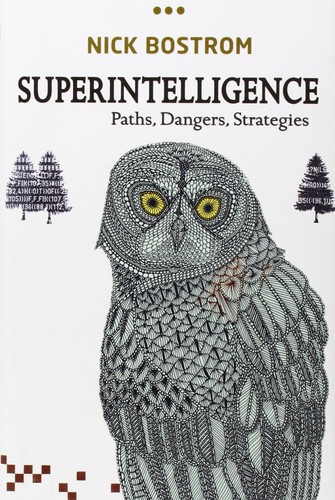
Superintelligence
Nick Bostrom
Explores the strategic implications of advanced AI for companies and society.
-

Life 3.0
Max Tegmark
Examines AI's future impact on work, society, and how founders can prepare.
-

The Coming Wave
Mustafa Suleyman
Outlines the next wave of AI and synthetic biology with startup lessons.
-
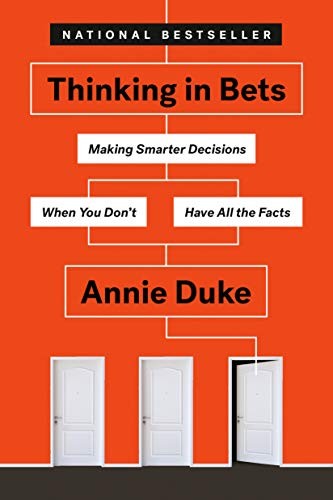
Thinking in Bets
Annie Duke
Teaches probabilistic thinking to improve founder decision-making under uncertainty.
Founder activity
Nobody has shelved this yet
Be the first founder to add it.