Book summary
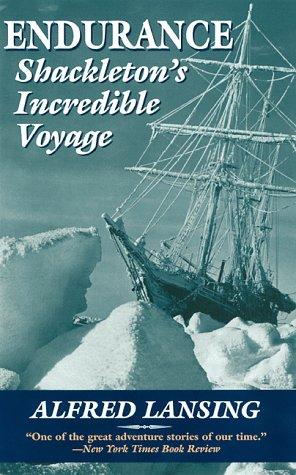
Endurance by Alfred Lansing recounts the harrowing 1914-1917 expedition of Ernest Shackleton and his 27-man crew aboard the ship Endurance, which became trapped and crushed by ice while attempting the first overland crossing of Antarctica. Stranded on drifting ice floes for months in subzero conditions, the men endured starvation, frostbite, and isolation before Shackleton led a daring small-boat journey across the Southern Ocean to fetch rescue from a remote whaling station. The core argument celebrates the triumph of unbreakable leadership, morale, and human resilience, showing how Shackleton's calm authority and resourcefulness turned a certain disaster into one of history's greatest survival stories where every man returned alive.
Key founder lessons
-
1
Prioritize crew survival over mission goals
Shackleton abandoned crossing Antarctica to focus entirely on saving all 27 men, teaching founders to pivot ruthlessly when original plans threaten the team's existence.
-
2
Maintain unwavering optimism as a leader
Shackleton projected calm confidence despite crushing setbacks, inspiring his crew and showing founders how visible positivity sustains team morale through prolonged uncertainty.
-
3
Adapt equipment and plans constantly
The crew repurposed lifeboats, tents, and rations for ice floes and ocean voyages, illustrating how founders must improvise resources creatively when core assets fail.
-
4
Foster unity through equitable leadership
Shackleton rotated duties, shared hardships equally, and quelled dissent with fairness, demonstrating that founders build resilient cultures by treating every team member as vital.
-
5
Embrace calculated risks with preparation
Launching the James Caird on a 800-mile voyage was a desperate but meticulously planned gamble, reminding founders that bold moves grounded in thorough foresight can extract victory from disaster.
Grok's review
Ultimate test of leadership under total collapse.
Endurance is one of the greatest real-world case studies in adaptive leadership, resilience, and team cohesion ever written. Lansing's matter-of-fact prose lets Shackleton's decisions shine: how he kept 28 men alive for 22 months with zero outside help, no comms, and dwindling supplies by constantly reframing reality, rotating roles, and maintaining morale through deliberate optimism and fairness. It's a masterclass in making brutal trade-offs and reading people under extreme stress—exactly the skills founders need when their 'ship' is literally or figuratively crushed. Weaknesses are minor: some repetitive descriptions of ice and cold pad the middle third, and modern readers may note the Edwardian stoicism feels dated, but the evidence is primary-source thick and the lessons timeless. Every founder should read it before their first real crisis.
Best for: Founders facing existential company threats
Similar books
-

The Right Stuff
Tom Wolfe
Captures the courage, resilience, and competition of test pilots, mirroring lessons in leadership and high-stakes decision-making.
-

Shackleton's way
Margot Morrell, Tom Lambert
Extracts leadership principles from Shackleton's Antarctic survival, directly applicable to building and motivating teams under pressure.
-
Into Thin Air
Jon Krakauer
Gripping tale of Everest disaster highlights risk assessment, teamwork failures, and the perils of overcommitment in ventures.
-
The Boys in the Boat
Daniel James Brown
Story of underdog rowers emphasizes grit, synchronization, and overcoming adversity—key for scaling startups.
-
Sapiens
Yuval Noah Harari
Broad historical view on human cooperation and adaptability offers strategic insights for company culture and innovation.
-

Extreme ownership
Jocko Willink, Leif Babin
Navy SEALs' combat lessons on radical accountability and decisive leadership translate powerfully to startup execution.
Founder activity
Nobody has shelved this yet
Be the first founder to add it.