
Book summary
Shackleton's Way by Margot Morrell and Tom Lambert explores the extraordinary Antarctic expedition of explorer Ernest Shackleton, whose ship Endurance was crushed by ice, yet he led his entire crew to safety through two years of extreme hardship. The book analyzes Shackleton's leadership methods in detail, highlighting his ability to maintain morale, foster teamwork, and make decisive choices under relentless pressure. Its core argument is that Shackleton's principles—such as leading by example, putting people first, and adapting creatively—are highly applicable to modern business and organizational challenges, offering a practical model for effective leadership in crisis.
Key founder lessons
-
1
Lead with unyielding optimism
Shackleton's relentless positivity in the face of Antarctic disaster inspires founders to maintain team morale during crises.
-
2
Hire for attitude over skills
Prioritizing character and loyalty in crew selection teaches founders to build resilient teams that endure startup hardships.
-
3
Adapt plans constantly
Shackleton's repeated pivots from expedition goals to survival mode shows founders the value of flexibility in uncertain markets.
-
4
Foster equality and camaraderie
Breaking down hierarchies by sharing burdens with his men demonstrates how founders can create cohesive cultures in resource-scarce startups.
-
5
Never lose sight of the mission
His focus on bringing every man home alive models how founders should prioritize long-term survival and team success over short-term wins.
Grok's review
Solid leadership lessons from ice, but padded and thin.
Shackleton's Way does a decent job mining Ernest Shackleton's 1914 Endurance expedition for leadership principles that actually transfer to chaotic startup environments: maintaining morale under extreme uncertainty, hiring for attitude over pedigree, and improvising with limited resources. The authors pull out useful frameworks around crisis decision-making and team dynamics that founders will recognize in their own all-hands moments. That said, it's padded with repetitive anecdotes and filler chapters that could have been a crisp 120-page book instead of 250; the evidence often feels cherry-picked and hagiographic rather than rigorous. The leadership advice itself isn't particularly dated but isn't groundbreaking either—much of it echoes better books like High Output Management or The Hard Thing About Hard Things with a polar veneer. Worth reading if you love explorer tales as metaphor, but don't expect it to be your primary leadership manual.
Best for: Founders who learn best through historical narrative.
Similar books
-
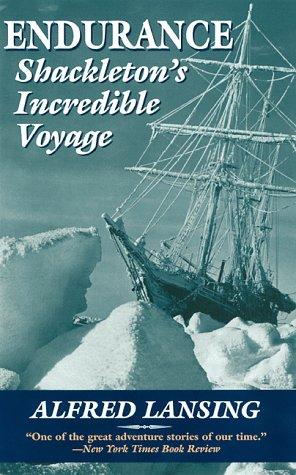
Endurance
Alfred Lansing, Elena Grau
Captivating true story of Antarctic survival with profound lessons on resilient leadership and team management.
-
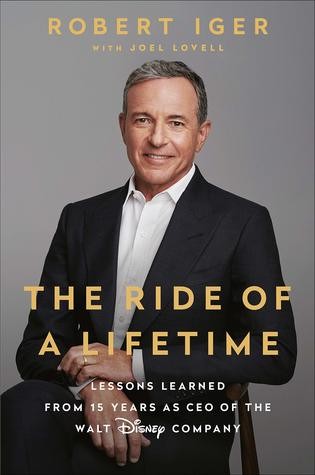
The Ride of a Lifetime
Robert Iger
Disney CEO's memoir reveals high-stakes decision-making, crisis leadership, and building enduring company culture.
-

Good to Great
Collins, James C., Jim Collins
Data-driven insights on transforming companies through disciplined leadership and getting the right people on the bus.
-

Team of Teams
Stanley A. McChrystal, Tantum Collins
Former general shares how to build adaptable organizations for complex, fast-changing environments like startups.
-
The Hard Thing About Hard Things
Ben Horowitz
Raw, practical advice on navigating tough CEO decisions, company culture, and leadership under pressure.
-

Leaders Eat Last
Simon Sinek
Explores creating safe, trusting environments that foster loyalty, innovation, and high-performing teams.
Founder activity
Nobody has shelved this yet
Be the first founder to add it.