
MakerThrive @MakerThrive ·
@MakerThrive on XFinished “Obvious Adams” by Robert R. Updegraff


Obvious Adams tells the story of a young man named Adams who builds a remarkable advertising career not through brilliance or complexity but by consistently seeking and acting on the most obvious solutions to business problems that others overlook. The core argument is that in a world obsessed with cleverness and innovation, the simplest and most straightforward approach is often the most effective yet frequently ignored due to its very obviousness. Through a series of career episodes, the book illustrates how cultivating the habit of spotting and embracing the obvious can lead to superior results in business and life. It serves as a timeless reminder that obvious ideas, once recognized and boldly executed, hold tremendous power.
Solve the Obvious Problem First
Identify and tackle the glaringly obvious issue others overlook, as Adams did by simplifying advertising approaches.
Simplify Ruthlessly
Strip away complexity in products and processes until only the essential remains, mirroring Adams' method for effective solutions.
Trust Your Common Sense
Rely on straightforward intuition rather than overanalyzing data or trends, just as Adams consistently did.
Observe Without Bias
Watch real customer behaviors with fresh eyes to uncover unmet needs that competitors miss.
Act Decisively on Insights
Once the obvious path becomes clear, move quickly to implement without second-guessing or seeking consensus.
Timeless insight buried in thin, padded pamphlet.
Obvious Adams is a short, parable-style story from 1916 that hammers home a powerful idea: the best solutions are often the glaringly obvious ones that everyone else overlooks because they're too busy chasing novelty. Updegraff's core message resonates deeply with founders who get lost in complexity or shiny tech trends—it's a useful reminder to simplify ruthlessly and solve real problems directly. That said, it's padded with repetitive moralizing, dated early-20th-century business examples, and zero empirical evidence beyond anecdotal tales; it feels more like an inspirational essay stretched into a book than a substantive work. Worth a quick read for the punchy principle, but don't expect modern frameworks, data, or tactics that scale to today's startups.
Best for: Founders prone to overcomplicating strategy.
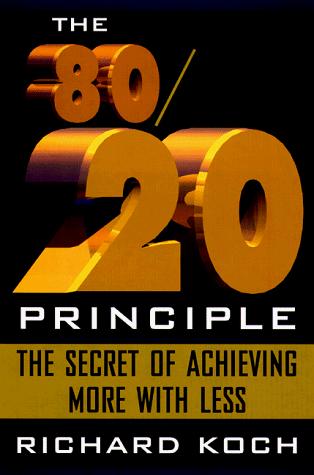
The 80/20 principle
Koch, Richard
Master the vital few for outsized business results and productivity.
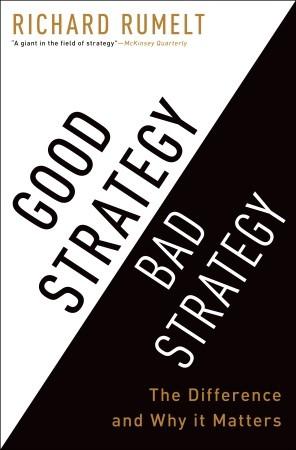
Good Strategy, Bad Strategy
Richard P. Rumelt
Learn to craft clear, powerful strategies that drive real progress.
The Effective Executive
Peter F Drucker
Timeless principles for getting the right things done as a leader.
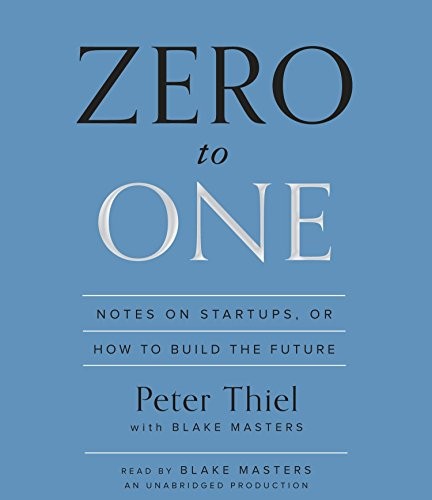
Zero to One
Peter A. Thiel, Blake Masters
Focus on creating unique value instead of competing in crowded markets.
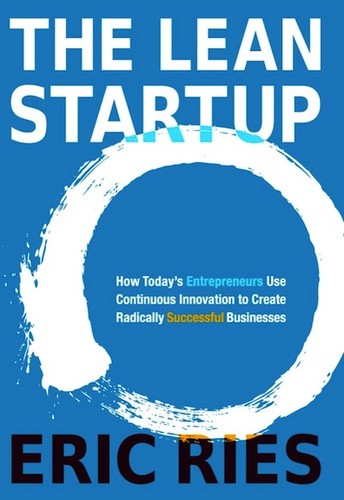
The Lean Startup
Eric Ries
Build, measure, learn to iterate fast and avoid obvious mistakes.

Thinking, fast and slow
Daniel Kahneman
Understand cognitive biases to make sharper business decisions.
MakerThrive @MakerThrive ·
@MakerThrive on XFinished “Obvious Adams” by Robert R. Updegraff