
Book summary
The Right Stuff by Tom Wolfe chronicles the early days of the U.S. space program focusing on the original Mercury Seven astronauts selected in 1959. The book contrasts the raw physical courage of test pilots like Chuck Yeager who broke the sound barrier with the new era of celebrity astronauts who rode capsules atop rockets rather than controlling aircraft themselves. Wolfe explores the culture of these pilots their stoic demeanor under extreme danger and the intense competition to be chosen for spaceflight. At its core the book argues that "the right stuff" is an ineffable combination of skill bravery and coolness under pressure that separates true heroes from mere technicians in the dangerous new frontier of space.
Key founder lessons
-
1
Embrace the fighter pilot mindset
Founders must cultivate supreme self-confidence and a willingness to push limits, as Wolfe shows test pilots did, to make bold decisions under uncertainty.
-
2
Master the art of 'flying by wire'
Like the Mercury astronauts adapting to new tech, founders should quickly learn to control complex systems and delegate while staying in command.
-
3
Value raw courage over credentials
Wolfe highlights how the right stuff is proven in action, not resumes; founders should prioritize demonstrated grit in hiring and partnerships.
-
4
Understand the power of public narrative
The astronauts' fame was shaped by media hype; founders must actively manage their story to attract talent, capital, and customers.
-
5
Accept that failure is part of the test
Test pilots faced constant risk of death; founders should view pivots and setbacks as essential steps in proving they have what it takes.
Grok's review
Brilliant style, but padded and dated for founders.
Tom Wolfe's 'The Right Stuff' is a stylistic tour de force that captures the raw courage, ego, and competitive machismo of the Mercury Seven astronauts in a way that feels cinematic. The book's strength lies in its psychological insights into what drives high-stakes performers under extreme pressure, which any founder chasing moonshots will recognize in themselves and their teams. However, it's heavily padded with repetitive anecdotes and Wolfe's signature New Journalism flourishes that drag on far longer than needed, the ideas around risk and selection feel somewhat dated in today's data-driven startup world, and the evidence is more impressionistic storytelling than rigorous analysis. It's worth a founder's time if you enjoy narrative nonfiction and can skim the bloat, but don't expect practical frameworks or timeless business lessons.
Best for: Founders who love history and high-performance psychology.
Similar books
-
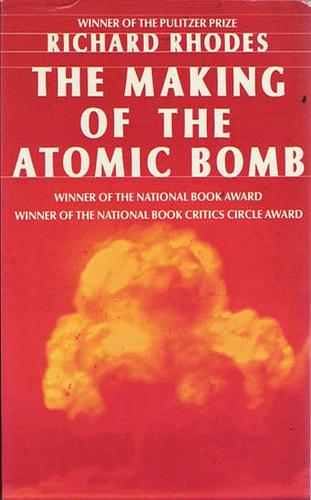
The making of the atomic bomb
Richard Rhodes
Epic tale of genius, risk, and innovation that mirrors building breakthrough companies under pressure.
-

The Soul of a New Machine
Tracy Kidder
Gripping account of engineers racing to build a computer, revealing leadership and team dynamics in tech.
-

Skunk Works
Ben R. Rich, Leo Janos
Inside story of Lockheed's secret innovations, teaching speed, secrecy, and bold decision-making for startups.
-
The Hard Thing About Hard Things
Ben Horowitz
Raw lessons on navigating crises and tough calls, essential for any founder facing real-world chaos.
-

Apollo 13
Jeffrey Kluger
High-stakes problem-solving and resilience under extreme pressure, directly applicable to startup survival.
-
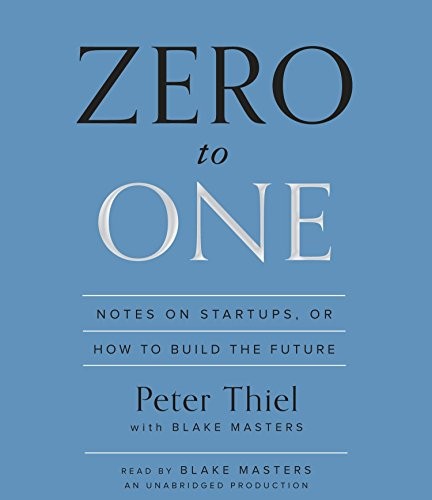
Zero to One
Peter A. Thiel, Blake Masters
Challenges founders to create true innovation instead of copying, with contrarian insights on building monopolies.
Founder activity
Nobody has shelved this yet
Be the first founder to add it.