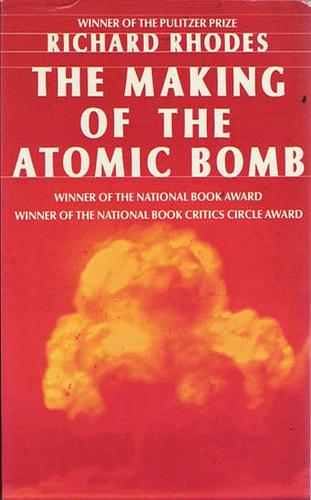
Book summary
The Making of the Atomic Bomb by Richard Rhodes is a sweeping history of the scientific discovery of nuclear energy and the massive Manhattan Project that turned theory into the first atomic weapons. It traces the chain of breakthroughs from early 20th-century physics through the 1938 discovery of fission in Nazi Germany, the urgent Allied race to build a bomb, and the Trinity test and bombings of Hiroshima and Nagasaki. Rhodes weaves together the personal stories of scientists such as Szilard, Fermi, Bohr, Oppenheimer, and Teller with the political, military, and ethical dilemmas they faced. The core argument is that the bomb emerged from the rapid, almost inevitable convergence of pure science, industrial-scale engineering, and wartime necessity, forever altering the relationship between knowledge and power.
Key founder lessons
-
1
Assemble world-class talent relentlessly
Founders must recruit the brightest minds like Oppenheimer did, creating a collaborative environment where genius thrives under pressure.
-
2
Embrace extreme urgency in execution
The rapid 25-year timeline from theory to Trinity shows founders should compress timelines and act with wartime intensity to outpace competitors.
-
3
Navigate politics and bureaucracy skillfully
Like Szilard and Oppenheimer lobbying governments, founders must master influencing policymakers and securing resources amid red tape.
-
4
Balance scientific openness with secrecy
The book reveals how sharing knowledge accelerated progress but required compartmentalization—founders should foster transparency internally while protecting IP.
-
5
Anticipate profound ethical consequences
Oppenheimer's post-Trinity reflections teach founders to grapple early with the societal impacts of their disruptive technologies.
Grok's review
Epic history, but bloated for busy founders.
Rhodes delivers a sweeping, deeply human narrative that turns physicists into reluctant heroes and the bomb into an inevitable tragedy of momentum, politics, and genius; the character portraits of Szilard, Oppenheimer, and Fermi alone make it worth reading for anyone who wants to understand how world-changing technology actually gets built. What works is the storytelling and the uncomfortable parallels to modern tech acceleration; what doesn't is the padding—hundreds of pages of pre-war European physics minutiae that feel like filler—and the occasionally dated 1980s framing that treats the science as more heroic than it now appears. The evidence is thick with primary sources, not thin, but the book is twice as long as it needs to be for its insights. For startup founders it's a cautionary epic about unintended consequences, path dependence, and the terrifying speed with which small teams can alter history, yet its length and digressions make it a slog most will abandon.
Best for: Founders obsessed with deep tech history and moral weight.
Similar books
-

The Idea Factory
Jon Gernter
Epic tale of collaborative genius and breakthroughs at Bell Labs, with profound lessons on innovation ecosystems.
-

The Soul of a New Machine
Tracy Kidder
Gripping story of building a computer that mirrors startup intensity, team dynamics, and engineering drive.
-

Skunk Works
Ben R. Rich, Leo Janos
Insider account of secret innovation under pressure, teaching leadership, secrecy, and rapid development.
-
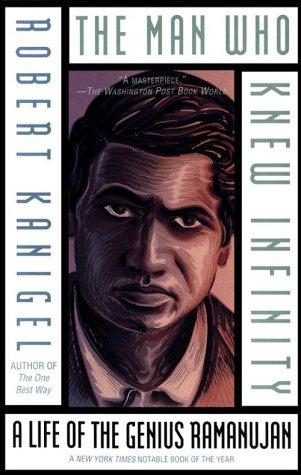
The Man Who Knew Infinity
Robert Kanigel
Biographical drama of mathematical genius Ramanujan, highlighting mentorship, persistence, and creative breakthroughs.
-

The code breakers
Brian James
Sweeping narrative on cryptography's role in history, with insights on intellectual property and strategic advantage.
-

"Surely You're Joking, Mr. Feynman"
Richard Phillips Feynman, Ralph Leighton
Adventurous memoir of a brilliant physicist, packed with curiosity, problem-solving, and unconventional thinking applicable to founders.
Founder activity
Nobody has shelved this yet
Be the first founder to add it.