
Book summary
The Idea Factory by Jon Gertner is a history of Bell Labs from its early 20th century origins through its postwar golden age and eventual decline after the 1984 breakup of AT&T. The book chronicles how a unique corporate environment that combined pure scientific research with practical engineering goals produced a string of revolutionary inventions including the transistor, the laser, information theory, solar cells, and communications satellites that fundamentally shaped modern electronics and global telecommunications. At its core the argument is that Bell Labs succeeded through a rare combination of long-term funding, interdisciplinary collaboration, managerial patience, and a culture that tolerated failure while relentlessly linking basic science to real-world applications.
Key founder lessons
-
1
Hire polymaths for serendipitous breakthroughs
Bell Labs recruited physicists, chemists, and engineers who collaborated across disciplines, leading founders to seek diverse talent that sparks unexpected innovations like the transistor.
-
2
Embrace long-term basic research
Prioritize undirected fundamental science over immediate products, as Bell Labs' patience with quantum mechanics research yielded transistors and lasers that transformed industries.
-
3
Design physical spaces for collisions
Build open environments like Bell Labs' corridors to encourage random interactions, helping founders foster idea exchange and creative problem-solving among teams.
-
4
Balance freedom with focused missions
Grant researchers autonomy within a clear organizational goal of advancing communications, teaching founders to align independence with a unifying vision for sustained innovation.
-
5
Protect innovation from short-term profits
Shield R&D from quarterly pressures as AT&T's monopoly allowed, reminding founders to safeguard exploratory work from investor demands that could stifle breakthroughs.
Grok's review
Bell Labs masterpiece—until the padding sets in.
Gertner delivers a riveting, almost cinematic history of how one insulated corporate lab produced the transistor, laser, information theory, UNIX, and cellular tech that still underpins the modern world. The best sections on Shockley, Shannon, and the deliberate culture of mixing physicists with engineers are pure catnip for any founder obsessed with creating breakthrough innovation. Where it falters is the bloat—long digressions and repetitive awe that could have been cut by a third—and the thin causal evidence linking Bell's monopoly profits and management quirks directly to its output. The post-breakup decline feels rushed and a bit dated in its lessons for today's capital-efficient startups. Still, it's one of the very best books on how real technological leaps actually happen inside organizations.
Best for: Founders scaling R&D teams or studying innovation systems
Similar books
-
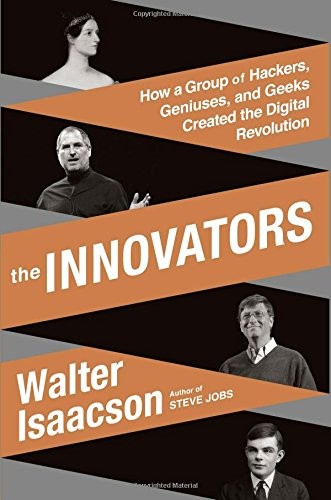
The Innovators
Walter Isaacson, Francisco José Ramos Mena
Chronicles digital revolution pioneers, revealing collaboration and creativity lessons vital for tech founders.
-
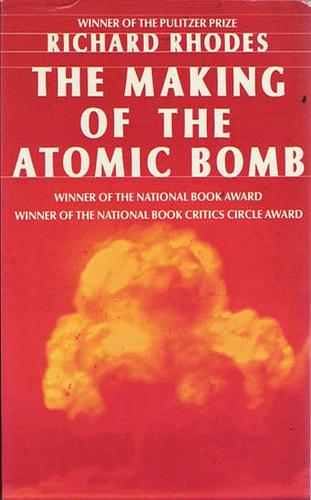
The making of the atomic bomb
Richard Rhodes
Epic tale of scientific breakthroughs under pressure, offering insights on innovation, leadership, and high-stakes R&D.
-

The Soul of a New Machine
Tracy Kidder
Intense account of building a computer, highlighting team dynamics, perseverance, and engineering culture.
-

Dealers of Lightning
Michael A. Hiltzik
Inside story of Xerox PARC's inventions, teaching how to foster creativity and commercialize breakthroughs.
-

Skunk Works
Ben R. Rich, Leo Janos
Legendary Lockheed innovations, packed with lessons on agile teams, secrecy, and rapid prototyping.
Founder activity
Nobody has shelved this yet
Be the first founder to add it.