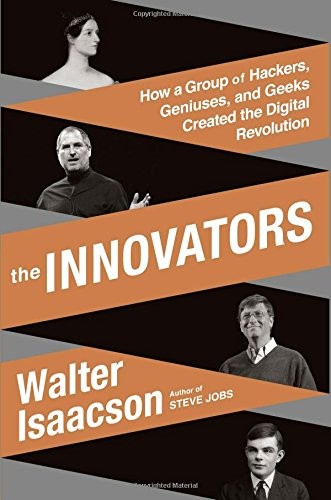
Book summary
The Innovators by Walter Isaacson chronicles the history of the digital revolution from Ada Lovelace's pioneering work on computer programming in the 1840s through the development of the internet and personal computing. It profiles key figures like Alan Turing, John von Neumann, Doug Engelbart, Robert Noyce, Bill Gates, Steve Jobs, and Tim Berners-Lee, examining the personal traits and creative leaps that enabled their breakthroughs. The core argument is that innovation arises not just from individual genius but from the ability to collaborate, build on others' ideas, and master teamwork, offering lessons for fostering creativity in the modern era.
Key founder lessons
-
1
Collaboration drives breakthroughs
Founders build diverse teams like Bush and Licklider to combine vision with execution for innovation.
-
2
Visionaries need implementers
Pair dreamers like Engelbart with pragmatic builders like Noyce to turn ideas into scalable products.
-
3
Interdisciplinary thinking sparks leaps
Ada Lovelace blended poetry and math; founders should cross domains like arts and engineering for novel insights.
-
4
Master the art of teamwork
Jobs and Wozniak succeeded by merging design intuition with technical skill in tight collaboration.
-
5
Timing and networks matter
Berners-Lee and Page leveraged ARPANET culture and academic ties to scale the web and search at the right moment.
Grok's review
Solid history, padded and occasionally shallow.
Isaacson delivers an engaging parade of the usual suspects—from Ada Lovelace to Larry Page—with his trademark skill at turning technical history into readable narrative. The core strength is the recurring theme that true innovation emerges from collaborative genius rather than lone inventors, which is useful for founders building teams. However, the book suffers from padding (it could have been 30% shorter), some dated framing now that AI and mobile have evolved further, and evidence that occasionally feels cherry-picked or thin when explaining why certain leaps happened. It's worth a founder's time for the broad sweep and the teamwork lesson, but don't expect groundbreaking insight or startup-operational advice.
Best for: Founders seeking historical context on tech innovation
Similar books
-

The Idea Factory
Jon Gernter
Reveals how Bell Labs fostered groundbreaking innovation, offering lessons on building creative teams and R&D culture.
-

Steve Jobs
Walter Isaacson
Deep biography of a visionary founder that explores leadership, product obsession, and building world-changing companies.
-
The Hard Thing About Hard Things
Ben Horowitz
Practical wisdom on navigating tough startup decisions, leadership, and scaling a business through chaos.
-
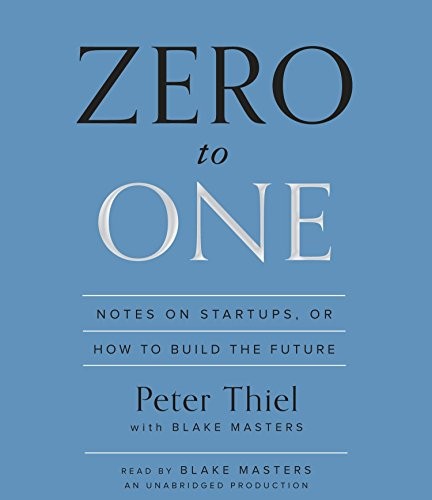
Zero to One
Peter A. Thiel, Blake Masters
Challenges founders to create breakthrough innovation instead of copying, with sharp insights on building monopolies.
-
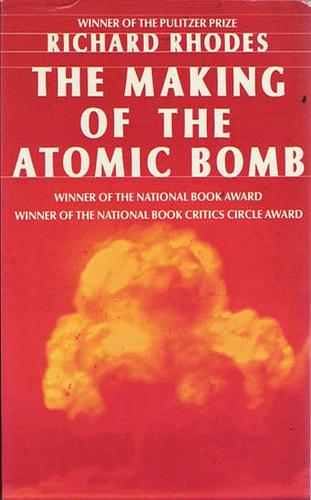
The making of the atomic bomb
Richard Rhodes
Epic story of scientific collaboration and project management that holds powerful lessons on large-scale innovation.
-

High Output Management
Andrew S. Grove
Timeless guide to management, productivity, and scaling operations from Intel's legendary CEO.
Founder activity
Nobody has shelved this yet
Be the first founder to add it.