
Book summary
Dealers of Lightning by Michael A. Hiltzik chronicles the rise and turbulent history of Xerox's Palo Alto Research Center (PARC) in the 1970s and 1980s, where a brilliant cadre of engineers and computer scientists invented groundbreaking technologies including the Alto personal computer, the laser printer, Ethernet, and the graphical user interface that later inspired the Macintosh and Windows. The book details how this eccentric brain trust operated as a creative hothouse that essentially birthed the modern digital age, yet Xerox's corporate bureaucracy and short-term profit focus repeatedly failed to commercialize these innovations. Drawing on extensive interviews, Hiltzik's core argument is that PARC's story reveals the profound disconnect between visionary research and the rigid structures of big business, as many of its breakthroughs were ultimately exploited by competitors like Apple and Microsoft, reshaping computing while Xerox largely missed out.
Key founder lessons
-
1
Protect the innovation island
Founders must shield creative teams from corporate bureaucracy, as Xerox failed to do with PARC's breakthroughs.
-
2
Bet on eccentric talent
Hire brilliant misfits and give them freedom, mirroring how PARC assembled geniuses who invented the PC and GUI.
-
3
Invent the future, don't just copy
Prioritize radical R&D over incremental improvements, like PARC's pioneering work on laser printing and Ethernet.
-
4
Bridge research to market ruthlessly
Founders must actively transfer lab inventions to products, which Xerox neglected leading to lost opportunities.
-
5
Embrace internal rebellion
Allow determined inventors to spin out ideas into startups, as PARC alumni did with Apple, Adobe, and 3Com.
Grok's review
Essential Xerox PARC history, but padded and uneven.
Dealers of Lightning delivers a gripping, fly-on-the-wall account of how a bunch of brilliant misfits at Xerox PARC invented modern computing—GUI, Ethernet, laser printing, object-oriented programming—only for Xerox to fumble the future while Apple and others cashed in. Hiltzik is a superb storyteller who humanizes the egos, politics, and brilliant chaos; founders will recognize the tension between pure innovation and commercial execution. That said, the book is noticeably padded with tangential anecdotes and minor characters, some sections feel dated in their tech explanations, and the sourcing occasionally relies on thin or single-source evidence that leaves you wondering how complete the picture really is. Still, the core lessons on visionary R&D, founder-founder conflict, and corporate inability to commercialize breakthroughs are timeless and painful.
Best for: Founders obsessed with innovation history and corporate innovation failure.
Similar books
-

The Idea Factory
Jon Gernter
Reveals how Bell Labs built an innovation machine that created the modern world, with lessons on managing creative talent.
-

The Soul of a New Machine
Tracy Kidder
Chronicles a team's race to build a computer, highlighting leadership, motivation, and the realities of high-stakes engineering projects.
-

Hard drive
James Wallace
Details Gates' relentless drive and Microsoft's early strategies, offering raw insights into scaling a tech giant.
-
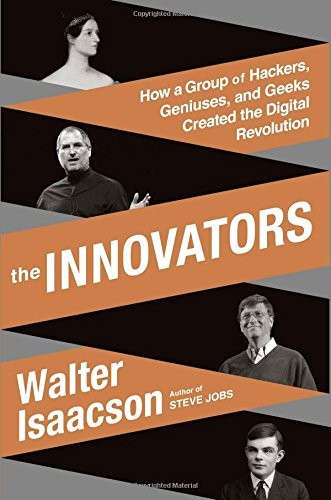
The Innovators
Walter Isaacson, Francisco José Ramos Mena
Explores collaborative innovation across decades, teaching how breakthroughs emerge from diverse teams and visionary leadership.
-

Steve Jobs
Walter Isaacson
Unvarnished biography of Apple's founder, packed with lessons on product obsession, team dynamics, and disruptive vision.
-

Skunk Works
Ben R. Rich, Leo Janos
Insider account of building secret breakthrough aircraft, with principles for fostering innovation under pressure and tight deadlines.
Founder activity
Nobody has shelved this yet
Be the first founder to add it.