
Book summary
How Innovation Works by Matt Ridley explores how new ideas and technologies actually emerge through a bottom-up process of trial and error, collaboration, and incremental improvement rather than top-down genius or central planning. Ridley argues that innovation is a collective, evolutionary phenomenon that thrives under conditions of freedom, trade, and secure property rights, often arising from the recombination of existing ideas in unpredictable ways. He uses historical examples ranging from the steam engine and electricity to the internet and gene editing to show that most breakthroughs are messy, serendipitous, and resisted at first by incumbents and regulators. The core argument is that society should minimize barriers to experimentation and allow decentralized creativity to flourish instead of trying to direct or subsidize innovation from above.
Key founder lessons
-
1
Innovation emerges bottom-up
Founders should foster decentralized teams and avoid top-down mandates, as Ridley shows breakthroughs arise from trial-and-error by many hands.
-
2
Ideas are recombinations
Scan adjacent fields and combine existing concepts rather than invent from nothing, since Ridley argues all innovations are recombinations of prior ideas.
-
3
Experiment relentlessly
Prototype early and often with low-stakes tests, mirroring Ridley's examples where iterative tinkering trumps grand plans in driving progress.
-
4
Regulation slows innovation
Minimize internal bureaucracy and fight excessive external rules, as the book details how over-regulation historically delayed technologies like aviation and energy.
-
5
Patents can hinder progress
Favor open collaboration and trade secrets over broad IP claims when possible, because Ridley demonstrates patents often create monopolies that stall collective advancement.
Grok's review
Innovation as evolution, not genius—solid but padded.
Ridley makes a compelling case that innovation emerges bottom-up through trial, error, and recombination rather than top-down genius or central planning—music to any founder who’s iterated their way to product-market fit. The historical stories are engaging and the anti-bureaucracy stance is refreshing for builders tired of regulatory moats. That said, it’s padded with repetitive anecdotes, some evidence feels selectively thin or dated (pre-2020 examples miss recent AI acceleration), and the policy prescriptions occasionally veer into libertarian sermonizing that adds little for operators. Worth a founder’s time if you want intellectual fuel against top-down strategy myths, but it’s no playbook.
Best for: Founders skeptical of centralized R&D
Similar books
-
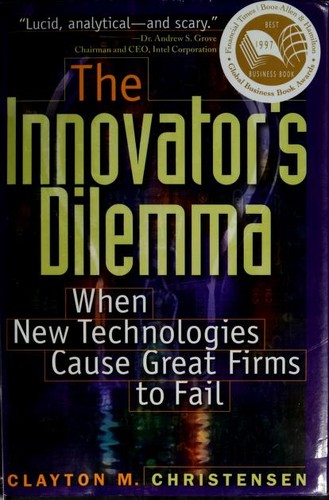
The Innovator's Dilemma
Clayton M. Christensen, L J Ganser
Reveals why successful companies fail at disruptive innovation, with vital lessons for founders.
-

Where good ideas come from
Steven Johnson
Explores the natural history of innovation, showing how environments foster breakthroughs for companies.
-
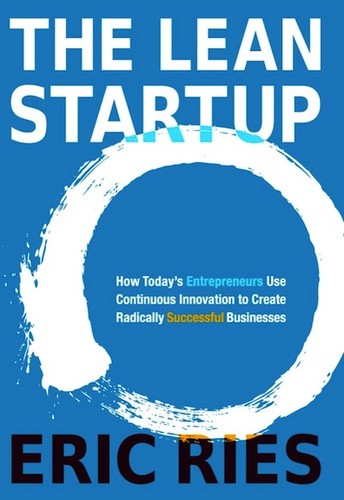
The Lean Startup
Eric Ries
Teaches iterative experimentation and validated learning to build successful products efficiently.
-

Antifragile
Nassim Nicholas Taleb, Genís Sánchez Barberán
Shows how to thrive in disorder and turn uncertainty into advantage, key for resilient startups.
-

Guns, Germs, and Steel
Jared Diamond
Explains societal progress through geography and environment, offering big-picture lessons on scaling ventures.
-
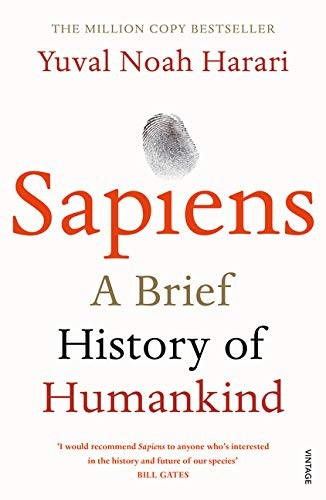
Sapiens
Yuval Noah Harari
Traces human history and myths that drive cooperation, with insights for building company culture.
Founder activity
Nobody has shelved this yet
Be the first founder to add it.