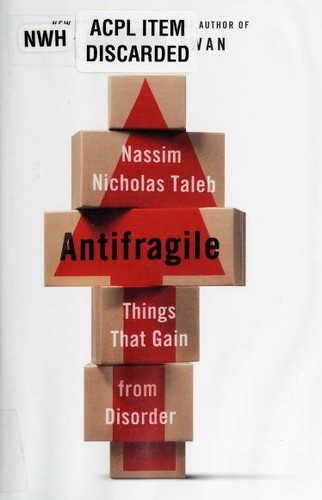
Book summary
Antifragile by Nassim Nicholas Taleb explores how certain systems people and institutions not only withstand volatility shocks and uncertainty but actually gain strength from them in contrast to the fragile which breaks and the robust which merely resists. Taleb introduces the concept of antifragility through examples like biological stress responses evolutionary processes and dynamic markets such as New Yorks restaurant scene where constant failures improve the overall ecosystem. He argues that modern society overly protects against randomness and disorder thereby increasing fragility and advocates instead for embracing disorder small stressors and optionality to build true resilience. The core argument is that antifragility is the proper response to a world dominated by Black Swans and unpredictability allowing us to thrive rather than merely survive.
Key founder lessons
-
1
Build Antifragility, Not Resilience
Design your startup to improve from volatility and shocks rather than merely surviving them, like evolving through stressors as Taleb describes.
-
2
Embrace Optionality
Maximize exposure to positive Black Swans by keeping multiple low-cost, high-upside options open while minimizing downside commitments.
-
3
Use Barbell Strategy
Allocate most resources conservatively but take small, speculative bets that offer unlimited upside to benefit from randomness.
-
4
Via Negativa Over Addition
Improve your startup by subtracting fragile elements, unnecessary features, and dependencies instead of constantly adding complexity.
-
5
Favor Skin in the Game
Ensure decision-makers have personal downside exposure so systems avoid hidden fragilities and moral hazards.
Grok's review
Brilliant core idea, bloated execution.
Taleb's central thesis—that some systems don't just survive volatility but thrive on it—is genuinely profound and useful for founders building in chaotic markets. The book hammers home practical lessons like preferring optionality over rigid plans, favoring small bets that can explode upward, and respecting what has survived centuries over shiny new tech. Unfortunately it's padded with repetitive rants, personal score-settling, and lengthy detours that feel like a 400-page essay stretched into a book; the evidence is often anecdotal or cherry-picked rather than rigorous. Dated in spots (pre-2012 tech and finance examples) and weakened by Taleb's arrogant tone that alienates as much as it enlightens. Still worth reading if you can skim the fat—its worldview has quietly shaped many successful operators.
Best for: Founders comfortable with philosophical density and contrarian thinking.
Similar books
-
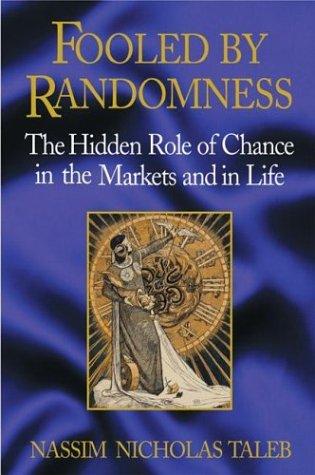
Fooled by randomness
Nassim Nicholas Taleb
Explores luck and randomness in success, sharpening decision-making for founders.
-

The Black Swan
Nassim Nicholas Taleb, David Chandler
Teaches embracing uncertainty and building robust strategies against rare events.
-
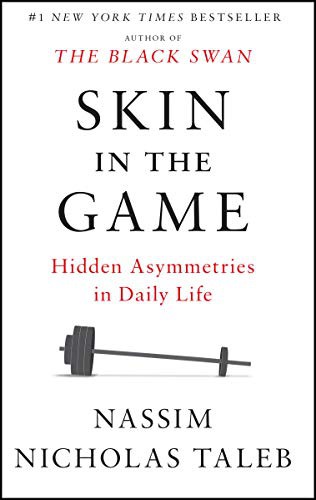
Skin in the Game
Nassim Nicholas Taleb
Emphasizes aligned incentives and accountability crucial for leadership and business.
-

Thinking, fast and slow
Daniel Kahneman
Reveals cognitive biases to improve judgment and strategic choices in startups.
-

The Psychology of Money
Morgan Housel
Uncovers timeless behaviors around risk and wealth that aid founder resilience.
-

Range
David J. Epstein
Advocates broad experience over specialization for innovative problem-solving in business.
Founder activity
Nobody has shelved this yet
Be the first founder to add it.