Book summary
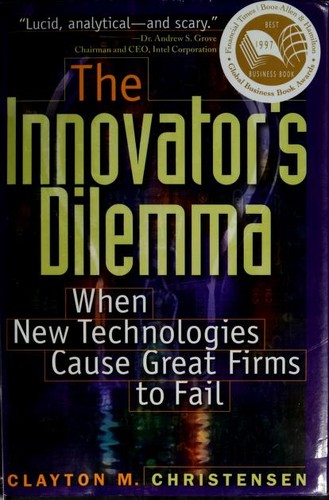
The Innovator's Dilemma by Clayton M. Christensen explains why well-managed successful companies often fail when faced with disruptive technological innovations. It shows how listening closely to current customers investing in sustaining improvements and pursuing high-margin opportunities can blind firms to emerging lower-performance technologies that initially target small overlooked markets. Over time these disruptive innovations improve enough to invade mainstream segments and topple industry leaders. The core argument is that the same practices that produce excellence in stable conditions become obstacles during market and technology shifts and Christensen offers principles for when managers should deliberately ignore customers pursue lower margins and cultivate small markets to harness rather than be destroyed by disruption.
Key founder lessons
-
1
Disruptive vs Sustaining Innovation
Founders must distinguish sustaining tech that improves for current customers from disruptive tech that starts inferior but improves to upend markets.
-
2
Ignore Top Customers Sometimes
When facing disruption, stop listening to your best customers who demand sustaining improvements and instead create autonomous units for disruptive opportunities.
-
3
Pursue Small Markets First
Target overlooked low-margin or small emerging markets with disruptive products, as these are unattractive to incumbents but become the foundation for growth.
-
4
Accept Lower Margins Initially
Invest in lower-performance products with lower profit margins that can scale upmarket, rather than only chasing high-margin sustaining innovations.
-
5
Create Autonomous Business Units
Spin out separate organizations with different cost structures and values to commercialize disruptive innovations without being crushed by the core business.
Grok's review
Still essential, but overrated and padded.
The core insight—that listening to your best customers and chasing higher margins can blind you to disruptive, lower-end threats—is genuinely brilliant and has shaped how every startup founder thinks about strategy. Christensen's case studies from disk drives, steel, and excavators make the theory concrete and memorable. That said, the book is repetitive, padded with similar examples that could have been cut by a third, and some of the evidence feels selectively curated rather than rigorously comprehensive. The 1997 examples also feel dated in today's software-heavy world where iteration cycles are weeks instead of years, though the underlying logic still holds. It's worth a founder's time once, but treat it as a foundational framework rather than gospel.
Best for: Founders scaling past product-market fit
Similar books
-

Crossing the Chasm
Geoffrey A. Moore
Explains how to market and sell disruptive innovations to mainstream customers.
-
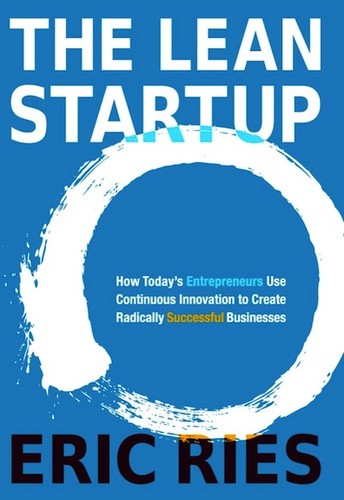
The Lean Startup
Eric Ries
Teaches building products iteratively with validated learning to avoid innovation failures.
-
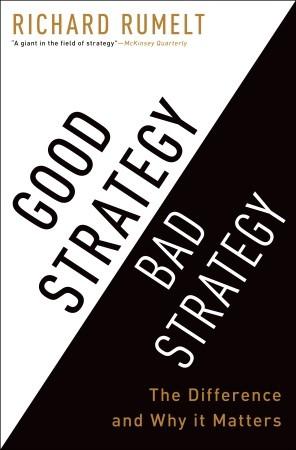
Good Strategy, Bad Strategy
Richard P. Rumelt
Shows how to craft clear, coherent strategies that create competitive advantage.
-

blue ocean strategy
Reveals how to create uncontested market space instead of fighting competitors.
-
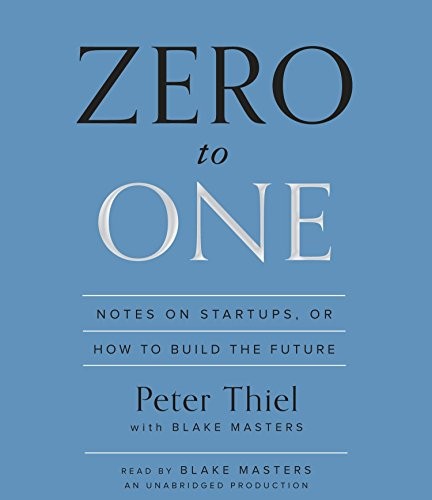
Zero to One
Peter A. Thiel, Blake Masters
Challenges founders to build truly innovative monopolies rather than incremental competitors.
-
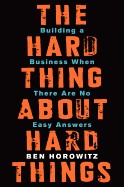
The Hard Thing About Hard Things
Ben Horowitz
Delivers raw lessons on leading through the brutal realities of scaling a startup.
Founder activity
Nobody has shelved this yet
Be the first founder to add it.