
Book summary
The Second Machine Age by Erik Brynjolfsson and Andrew McAfee argues that we have entered a new period of rapid technological progress driven by digital hardware software and networks that is transforming the economy and society much like the Industrial Revolution did. The authors show how exponential improvements in computing power big data and machine learning enable machines to perform cognitive tasks once reserved for humans leading to immense bounty in productivity innovation and access to information alongside wrenching disruption including job displacement falling wages and inequality. Their core argument is that while technology creates unprecedented opportunities the benefits will not be automatic and society must proactively redesign education organizations and policy to combine machine strengths with human ingenuity and ensure broad-based prosperity rather than allowing the gains to accrue only to a small elite. The book is fundamentally optimistic calling for deliberate choices to harness the second machine age for widespread human flourishing.
Key founder lessons
-
1
Digitization drives bounty and spread
Founders should build products leveraging exponential digital improvements in price/performance to create vast consumer surplus and reach.
-
2
Automation substitutes for routine work
Prioritize automating repetitive cognitive tasks with AI while focusing human efforts on non-routine innovation to stay competitive.
-
3
Innovation races against commoditization
Rapidly iterate and combine ideas into new inventions, as digital copies spread instantly and erode advantages quickly.
-
4
Complement machines with human ingenuity
Design business models pairing AI's brute force computation with uniquely human creativity, judgment, and social skills.
-
5
Rethink education for the new economy
Invest in continuous learning emphasizing creativity, entrepreneurship, and tech fluency over outdated rote skills.
Grok's review
Smart big-picture thesis, padded with repetition.
The Second Machine Age delivers a compelling framework for understanding how digital tech is decoupling productivity from employment, with strong early chapters on exponential computing power, big data, and the rise of machine intelligence that still feel relevant. Brynjolfsson and McAfee synthesize a ton of research accessibly for non-specialists, making it a useful mental model for founders navigating AI-driven disruption. However, the book suffers from noticeable padding—ideas that could fit in 150 pages are stretched across 300 with repetitive examples and overly broad societal commentary. Some evidence feels thin or selectively optimistic, and while the core predictions about automation have held up, many specific forecasts and policy prescriptions now read as dated in the post-ChatGPT era. It's still worth a founder's time for the high-level synthesis, but don't expect groundbreaking originality or timeless tactical advice.
Best for: Founders seeking macro context on tech-driven economic shifts.
Similar books
-

The Coming Wave
Mustafa Suleyman
Explores AI and biotech's societal and business impacts with practical lessons for founders navigating emerging tech.
-

Prediction machines
Ajay Agrawal
Demystifies AI economics and decision-making, offering actionable strategies for business leaders in the machine age.
-

The Master Algorithm
Pedro Domingos
Breaks down machine learning's core ideas and future potential, helping founders build smarter, data-driven companies.
-
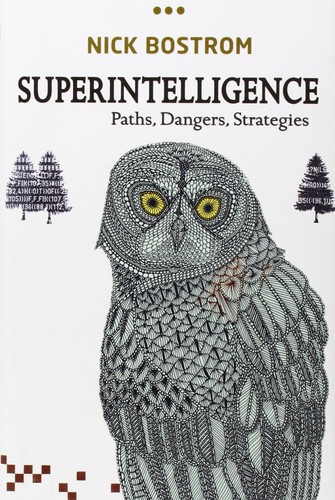
Superintelligence
Nick Bostrom
Examines AI risks and opportunities, sharpening strategic thinking for long-term company building and ethical leadership.
-
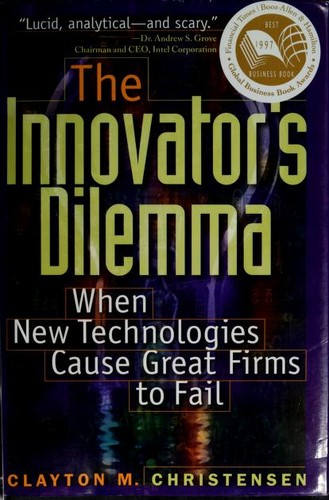
The Innovator's Dilemma
Clayton M. Christensen, L J Ganser
Classic on disruptive innovation, teaching how established firms and startups succeed amid technological change.
-

Range
David J. Epstein
Shows why generalists excel in complex worlds, guiding career and team-building decisions in fast-evolving tech landscapes.
Founder activity
Nobody has shelved this yet
Be the first founder to add it.