
Book summary
The Third Chimpanzee by Jared Diamond examines how humans, despite sharing over 98 percent of their DNA with chimpanzees, diverged so dramatically in behavior, culture, and impact on the planet. Diamond explores the evolutionary origins of distinctly human traits such as language, art, agriculture, war, environmental destruction, and sexual behavior, arguing that these emerged rapidly from a tiny genetic difference that enabled symbolic thinking and cumulative culture. He contends that our species' success has come at a steep cost, positioning humanity as both a remarkable and dangerously destructive "third chimpanzee." The core argument is that understanding our close kinship with apes is essential to recognizing the fragility of our civilization and the environmental perils we have created.
Key founder lessons
-
1
Human uniqueness from tiny DNA differences
Founders should obsess over the 2% edge that creates massive competitive moats, just as small genetic shifts separated humans from chimps.
-
2
Sexual selection drives risky traits
Embrace bold, conspicuous product bets that signal quality and attract early adopters, mirroring how humans evolved art and status displays.
-
3
Agriculture enabled explosive scaling
Build systems that create surplus and population growth, then use that leverage to dominate markets before competitors catch up.
-
4
Innovation often leads to self-destruction
Anticipate how breakthrough technologies can cause unintended collapse; proactively manage risks like environmental or social blowback from rapid growth.
-
5
Language as ultimate coordination tool
Master storytelling and precise communication to align teams, raise capital, and build culture, as human language enabled unprecedented group success.
Grok's review
Fascinating origins story, but padded and dated for founders.
Diamond's exploration of what separates us from chimps is intellectually stimulating, weaving anthropology, biology, and evolutionary psychology into a narrative that explains human uniqueness through language, art, agriculture, and self-destruction. For startup founders, the sections on innovation, risk-taking, and why humans excel at (and doom themselves with) novelty offer indirect lessons on building disruptive products and avoiding groupthink. However, the book is weakened by significant padding, repetitive ideas stretched across chapters, dated 1990s science that feels thin on evidence in places, and tangents that wander far from the core thesis. It's worth skimming for the big ideas on human nature, but modern readers will find stronger, tighter treatments in newer works like Sapiens.
Best for: Founders curious about evolutionary psychology and human behavior.
Similar books
-

Guns, Germs, and Steel
Jared Diamond
Explores how environmental factors shape societies, offering insights into innovation and competitive advantages for startups.
-

Collapse
Jared Diamond
Examines why societies fail, teaching founders about sustainable decision-making and avoiding business pitfalls.
-
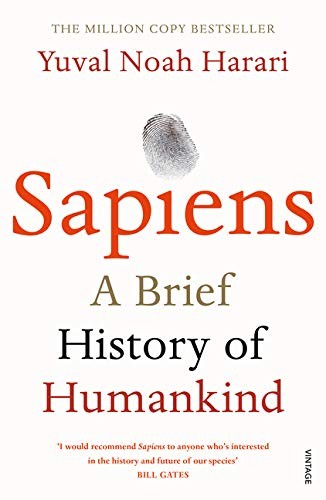
Sapiens
Yuval Noah Harari
Sweeping history of humankind reveals patterns in cooperation and power that inform leadership and company culture.
-
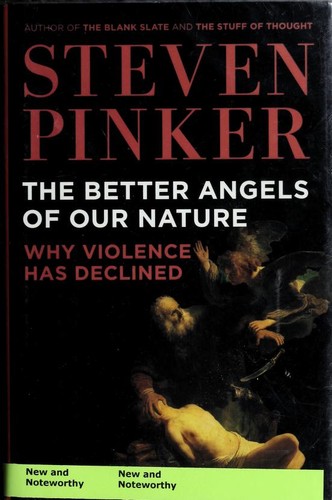
The better angels of our nature
Steven Pinker
Charts the decline of violence, highlighting progress through reason and institutions valuable for ethical scaling.
-

Thinking, fast and slow
Daniel Kahneman
Reveals cognitive biases affecting decisions, essential for better judgment in strategy and hiring.
-

The evolution of everything
Matt Ridley
Shows how bottom-up evolution drives innovation, inspiring founders to foster emergent company growth.
Founder activity
Nobody has shelved this yet
Be the first founder to add it.