
Book summary
Beautiful Evidence by Edward R Tufte explores how intense seeing and rigorous visual thinking convert data into credible explanation and knowledge. The book presents principles for effective information display including sparklines small high-resolution graphics that integrate with text new methods for showing causality multidimensional data and evidence and analytical tools for assessing the integrity of presentations. Tufte contrasts excellence in design with corrupt practices such as chartjunk and the cognitive burdens of PowerPoint while ultimately moving beyond flatland paper and screen representations to advocate seeing and reasoning in three-dimensional space and time. The core argument is that good evidence displays are beautiful because they are clear truthful and efficient at revealing knowledge.
Key founder lessons
-
1
Prioritize high-resolution data density
Founders should design investor decks with maximal relevant information per square inch, avoiding low-density slides that obscure key metrics.
-
2
Use sparklines for inline metrics
Embed sparklines in dashboards and reports to show trends directly next to numbers, enabling quick pattern detection without separate charts.
-
3
Apply the principle of analytical design
Structure presentations around causality and multivariate evidence, ensuring every visual comparison directly supports strategic decisions.
-
4
Diagnose and avoid chartjunk
Ruthlessly remove decorative elements from pitch materials that distract from evidence, preserving credibility with clean, content-focused visuals.
-
5
Escape flatland with 3D and time
Incorporate spatial and temporal dimensions in product roadmaps or demos to convey complex startup dynamics beyond 2D slides.
Grok's review
Visual thinking gold, but padded and preachy.
Tufte's passion for rigorous, beautiful evidence shines through in sparklines, small multiples, and his ruthless takedown of PowerPoint as a tool for cognitive corruption—ideas that still help founders communicate metrics, roadmaps, and strategy without drowning stakeholders in bullet-point sludge. The book rewards careful readers with principles of analytical design that cut through startup noise, but it suffers from repetition, self-indulgent examples that feel like portfolio padding, and dated jabs at tech that haven't aged perfectly. The sections on 3D and physical displays feel thin on evidence themselves and veer into art-school territory. Worth a founder's time if you already care about clarity in decks and dashboards; otherwise, skim the best parts of his earlier books instead.
Best for: Founders who want to stop lying with slides
Similar books
-

The Visual Display of Quantitative Information
Edward R. Tufte
Masterclass in data visualization principles that sharpen analytical thinking for business decisions.
-

Envisioning Information
Edward R. Tufte
Teaches clarity in complex information, directly applicable to pitching ideas and strategy.
-

How to Lie with Statistics
Darrell Huff, Irving Geis
Reveals statistical deception pitfalls, essential for data-driven startup leadership.
-

Thinking, fast and slow
Daniel Kahneman
Insights on cognitive biases improve founder decision-making and team management.
-
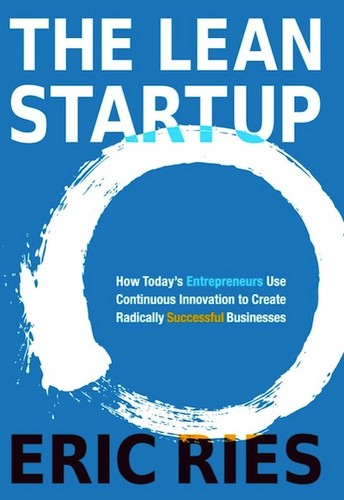
The Lean Startup
Eric Ries
Emphasizes evidence-based iteration, mirroring Tufte's focus on clear empirical proof.
-
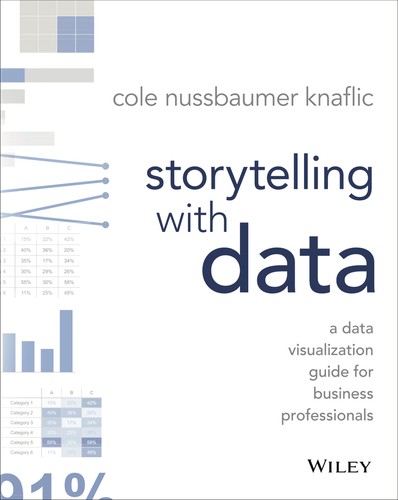
Storytelling with Data
Cole Nussbaumer Knaflic
Practical guide to communicating insights visually, vital for sales and investor relations.
Founder activity
Nobody has shelved this yet
Be the first founder to add it.