
Book summary
The Rational Optimist by Matt Ridley argues that humanity has experienced continuous improvement in living standards over 10 000 years through the cumulative effects of trade specialization and idea exchange which foster innovation and prosperity. At its core the book contends that progress occurs not despite but because of human flaws like selfishness and competition as long as people are allowed to freely exchange goods services and knowledge creating a collective intelligence greater than any individual. Ridley contrasts this optimistic trend of falling poverty disease and violence with pervasive pessimism that ignores historical evidence and warns that stifling trade and trust through regulation or fear could halt the very mechanism that has lifted billions from Stone Age conditions. The central message is to keep trading changing and trusting one another to sustain the rapid acceleration of well being seen especially in the last two centuries.
Key founder lessons
-
1
Trade drives innovation and prosperity
Founders should build platforms that enable exchange, as Ridley shows how specialization through trade created cumulative progress over millennia.
-
2
Trust enables specialization
Startup leaders must foster reliable networks and contracts, since Ridley argues that expanding trust allowed division of labor to fuel human advancement.
-
3
Ideas have sex through exchange
Encourage open idea flow in teams and ecosystems, because Ridley explains progress occurs when ideas combine via trade and communication.
-
4
Optimism about the future pays off
Founders should bet on continued improvement despite pessimism, as the book demonstrates humanity's track record of solving problems through ongoing exchange.
-
5
Government barriers slow progress
Advocate for minimal regulation that hampers trade, since Ridley highlights how top-down controls historically hindered the bottom-up innovation that built modern abundance.
Grok's review
Compelling big-picture optimism, but padded and selective.
Ridley makes a powerful, founder-friendly case that trade, specialization, and idea exchange are the engines of human progress, turning pessimism about the future into a historical anomaly. The early chapters on how markets and trust have lifted billions out of poverty are genuinely inspiring and useful for anyone building products or teams. However, the book suffers from repetition and padding after the core thesis lands, with some arguments relying on cherry-picked history and thin evidence that feels dated post-2008 financial crisis and amid current supply-chain and geopolitical fractures. It underplays coordination failures, externalities like climate change, and the limits of 'just keep trading' as a complete solution. Still worth reading for the contrarian mindset reset, but don't treat it as gospel.
Best for: Founders battling doomer culture or seeking historical perspective on innovation.
Similar books
-
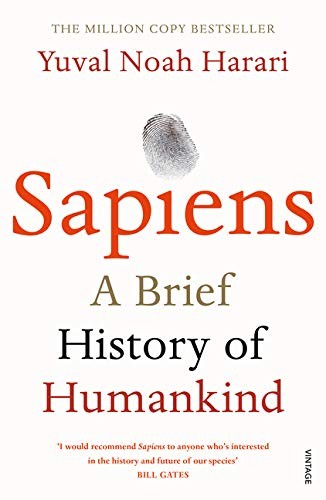
Sapiens
Yuval Noah Harari
Explores humanity's progress through cooperation and ideas, offering profound insights for building scalable companies.
-
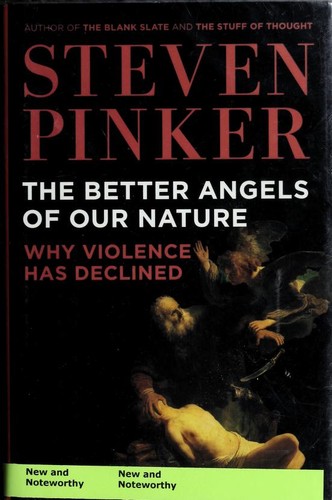
The better angels of our nature
Steven Pinker
Charts the decline of violence through reason and commerce, reinforcing optimism and long-term thinking for founders.
-
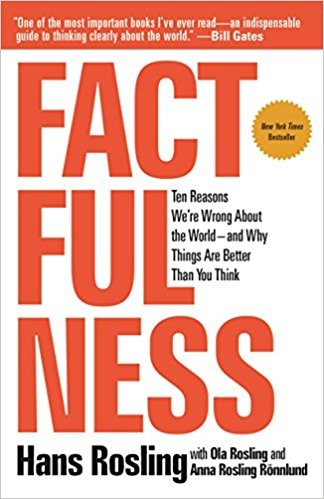
Factfulness
Hans Rosling, Ola Rosling
Teaches data-driven optimism and counters misconceptions, sharpening decision-making in uncertain startup environments.
-
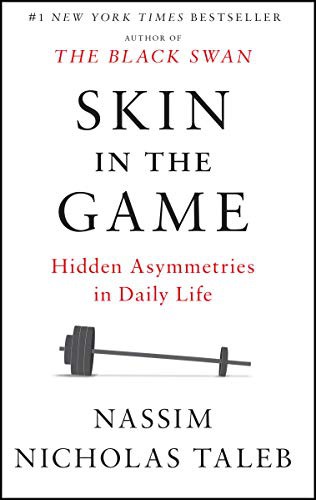
Skin in the Game
Nassim Nicholas Taleb
Emphasizes aligned incentives and risk-taking, core principles for ethical and resilient business building.
-

Atomic Habits
James Clear
Delivers practical systems for consistent improvement, boosting founder productivity and team performance.
Founder activity
Nobody has shelved this yet
Be the first founder to add it.