
Book summary
The Code Breaker by Walter Isaacson chronicles the life and work of biochemist Jennifer Doudna who together with Emmanuelle Charpentier developed the CRISPRCas9 geneediting tool that allows scientists to precisely alter DNA. The book traces her path from childhood curiosity through Yale and Berkeley to the Nobel Prize while exploring the fierce scientific rivalries and ethical debates that erupted once CRISPR reached the marketplace. At its core the narrative argues that the revolution in gene editing forces humanity to confront profound questions about the future of our species the balance between scientific ambition and moral responsibility and whether we should rewrite the code of life.
Key founder lessons
-
1
Embrace interdisciplinary curiosity
Doudna combined RNA biology with structural chemistry to unlock CRISPR, teaching founders to cross domains for breakthrough innovations.
-
2
Collaborate then compete fiercely
Doudna's partnerships accelerated CRISPR but rivalries over patents show founders must balance openness with protecting IP.
-
3
Prioritize ethical foresight
Doudna's early warnings on germline editing highlight the need for founders to anticipate societal impacts of disruptive tech.
-
4
Iterate rapidly on prototypes
CRISPR's development involved quick experimental cycles, mirroring how founders should test and refine minimum viable products.
-
5
Build for dual-use impact
Doudna's work on COVID diagnostics demonstrates turning core tech toward urgent global problems for maximum founder leverage.
Grok's review
Compelling scientist bio, but meanders for founders.
Isaacson delivers a gripping portrait of Jennifer Doudna's path from curious kid to CRISPR pioneer, with sharp insights into how scientific breakthroughs happen through relentless curiosity, collaboration, and competition. The book shines when it explores the ethical minefield of gene editing, patent battles, and the race for COVID diagnostics, reminding founders that deep technical moats can create trillion-dollar opportunities. However, it's padded with tangential historical digressions and secondary characters that dilute the core narrative, and some of the biotech business angles feel thin on evidence or overly optimistic about commercialization speed. For startup founders, the real value is in the decision-making under uncertainty and the interplay of science with entrepreneurship, but the 500+ pages could have been tighter.
Best for: Founders in deep tech and biotech
Similar books
-
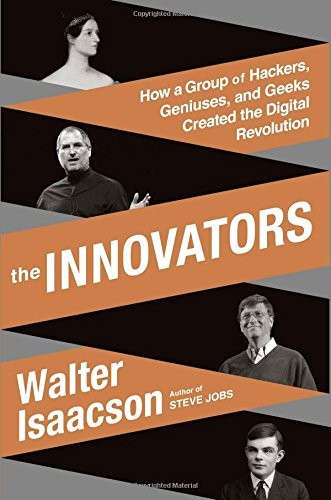
The Innovators
Walter Isaacson, Francisco José Ramos Mena
Explores how creative collaboration drove the digital revolution, offering lessons on team innovation for tech founders.
-

Steve Jobs
Walter Isaacson
Reveals Jobs' obsessive pursuit of excellence and product intuition, key for building iconic companies.
-

Einstein
Walter Isaacson
Shows how questioning assumptions led to breakthroughs, inspiring bold thinking in startups.
-
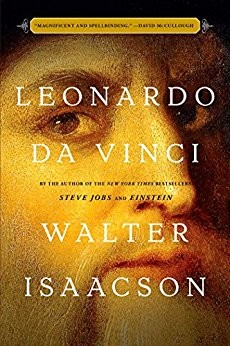
Leonardo da Vinci
Walter Isaacson, Jordi Ainaud i Escudero
Highlights curiosity and interdisciplinary thinking, vital for creative problem-solving in business.
-

Benjamin Franklin
Walter Isaacson, Boyd Gaines
Demonstrates practical self-improvement and networking skills essential for entrepreneurial success.
-
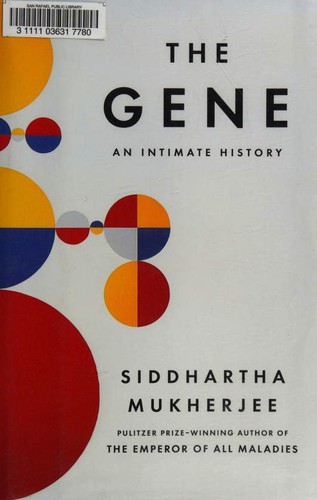
The Gene
Siddhartha Mukherjee, Dennis Boutsikaris
Blends science storytelling with ethical insights on innovation, paralleling biotech entrepreneurship challenges.
Founder activity
Nobody has shelved this yet
Be the first founder to add it.