
Book summary
Benjamin Franklin by Walter Isaacson chronicles the founding father's remarkably diverse life and careers as a shopkeeper, writer, inventor, media baron, scientist, diplomat, business strategist, and political leader. The biography explores how Franklin's pragmatic worldview, relentless self-improvement, and deep faith in the wisdom of ordinary citizens shaped his contributions to science, politics, and diplomacy. At its core, the book argues that Franklin's embodiment of middle-class virtues such as industriousness, frugality, and civic engagement helped forge a distinctly American national identity rooted in the values of the common people rather than aristocracy or ideology.
Key founder lessons
-
1
Leverage polymath skills
Franklin's diverse careers show founders to build broad expertise across writing, invention, business, and diplomacy for competitive edges.
-
2
Build influential networks
His media and social circles demonstrate using relationships and printing to shape opinions and advance ventures like a modern founder.
-
3
Trust middle-class pragmatism
Faith in ordinary citizens' wisdom teaches validating ideas through practical, accessible feedback rather than elite theory.
-
4
Iterate inventions relentlessly
Franklin's scientific experiments model rapid prototyping and refinement of products to solve real customer problems.
-
5
Master self-improvement systems
His 13 virtues framework equips founders with disciplined habits for personal productivity and ethical decision-making.
Grok's review
Essential founder biography, but drags in the middle.
Isaacson delivers a vivid, multi-dimensional portrait of Franklin as the ultimate polymath founder—printer, scientist, diplomat, and relentless self-improver whose habits and networking skills built empires and nations. The book shines when it shows how Franklin's pragmatism, experimentation, and belief in the middle-class virtues directly parallel what it takes to scale a startup or lead through uncertainty. Weaknesses include noticeable padding in the later diplomatic years with repetitive correspondence summaries, some dated psychological interpretations that feel thin on hard evidence, and occasional hagiographic glossing over Franklin's personal flaws. Still, it's one of the best founder biographies for understanding long-term leverage, reputation-building, and adaptive strategy.
Best for: Ambitious founders and operators seeking historical models of ingenuity.
Similar books
-

Steve Jobs
Walter Isaacson
Reveals how Jobs blended creativity, focus, and vision to build one of the world's most valuable companies.
-

The Everything Store
Brad Stone, Brad Stone
Chronicles Jeff Bezos's relentless drive, innovation, and long-term thinking that scaled Amazon into a giant.
-

Titan
Ron Chernow
Details Rockefeller's strategic brilliance, discipline, and empire-building that shaped modern business practices.
-
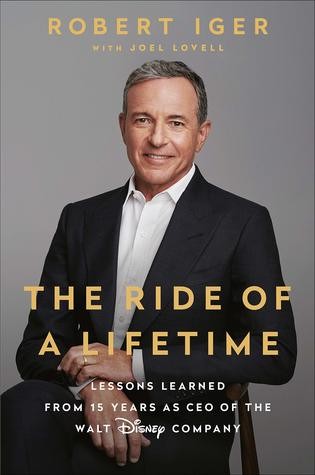
The Ride of a Lifetime
Robert Iger
Offers lessons on leadership, decision-making, and navigating change from Disney's transformative CEO.
-

Einstein
Walter Isaacson
Explores Einstein's curiosity, resilience, and unconventional thinking applicable to innovation and problem-solving.
-

Team of Rivals
Doris Kearns Goodwin
Shows Lincoln's masterful leadership, emotional intelligence, and coalition-building skills vital for any founder.
Founder activity
Nobody has shelved this yet
Be the first founder to add it.