
Book summary
Titan by Ron Chernow is a comprehensive biography of John D. Rockefeller Sr., America's first billionaire and founder of the Standard Oil monopoly that once controlled nearly 90 percent of the nation's oil. Drawing on previously inaccessible personal papers, it traces his rise from humble origins as the son of a bigamous snake-oil salesman and a devout mother through his creation of an empire built on ruthless tactics including predatory pricing, railroad collusion, espionage, and bribery that made him both feared and reviled. The book chronicles decades of investigations and the eventual trust-busting campaign by Teddy Roosevelt while humanizing Rockefeller as a quirky, pious eccentric rather than a cold-blooded monster. Its core argument is that Rockefeller's extraordinary success and complex character defy simplistic villainous stereotypes, revealing a paradoxical figure whose business genius coexisted with genuine philanthropy and personal oddities.
Key founder lessons
-
1
Obsess over operational efficiency
Rockefeller relentlessly cut costs in refining and logistics, turning Standard Oil into the low-cost producer that dominated markets.
-
2
Master vertical integration
He controlled every step from oil extraction to barrel manufacturing, eliminating middlemen and capturing maximum value.
-
3
Build secret alliances
Rockefeller forged hidden railroad rebates and pipeline deals that created insurmountable barriers for competitors.
-
4
Separate emotion from decisions
His Baptist discipline let him stay calm during price wars and antitrust battles, executing cold, rational strategy.
-
5
Use philanthropy strategically
Late-career giving to education and medicine rebuilt his reputation and created lasting institutions like the University of Chicago.
Grok's review
Masterful but bloated; still essential for builders.
Chernow delivers a richly detailed, almost novelistic portrait of Rockefeller that humanizes the man behind the monopoly without excusing his ruthless tactics. The access to personal papers yields fresh insights into his Baptist upbringing, family quirks, and the blend of piety and predation that fueled Standard Oil's dominance—founders will recognize the single-minded focus and network-building that created an empire. Weaknesses are real: the book is padded with tangential family drama and period minutiae that could have been trimmed by 150 pages, some business analysis feels dated in a post-antitrust world, and while evidence is voluminous it's occasionally thin on quantifying the exact mechanics of his predatory pricing or rebates. Still, it's one of the best biographies for understanding how vision, capital allocation, and political maneuvering scale a startup into an industry-defining behemoth; the lessons on compounding advantage and legacy-building hit hard.
Best for: Ambitious founders studying ruthless scaling and monopoly power.
Similar books
-

The House of Morgan
Ron Chernow
Epic biography of a banking dynasty revealing finance, power, and empire-building lessons for founders.
-

The power broker: Robert Moses and the fall of New York
Robert A. Caro
Masterful study of political power and ambition, teaching influence and strategy vital for scaling ventures.
-

Steve Jobs
Walter Isaacson
Deep dive into visionary leadership, innovation, and building world-changing companies.
-
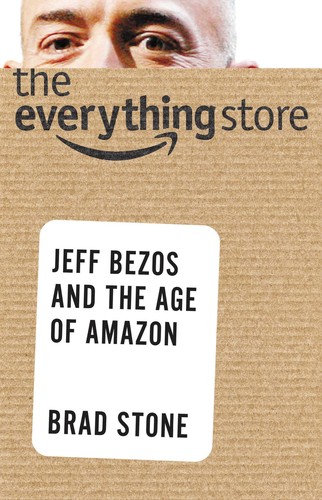
The Everything Store
Brad Stone, Brad Stone
Inside story of Amazon's rise, offering lessons on long-term thinking and relentless execution.
-

Shoe Dog
Phil Knight
Raw memoir of building Nike, filled with grit, sales hustle, and entrepreneurial resilience.
Founder activity
Nobody has shelved this yet
Be the first founder to add it.