Book summary
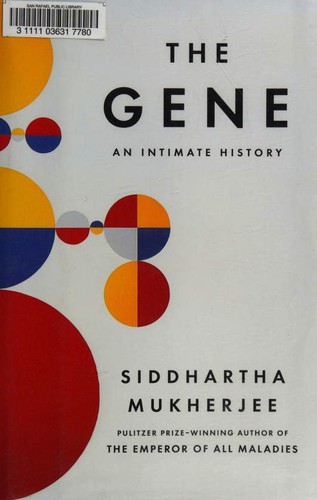
The Gene by Siddhartha Mukherjee is an expansive history of genetics that traces the concept from Aristotle’s earliest ideas of heredity through Mendel’s peas, the discovery of DNA’s double helix by Watson, Crick and Franklin, and the Human Genome Project. Mukherjee weaves in his own family’s tragic inheritance of mental illness to illustrate how genes shape identity, disease, and behavior while insisting that biology is not destiny. The core argument is that understanding the gene grants immense power to diagnose, treat, and even alter human traits, yet this knowledge must be tempered by humility and moral vigilance to prevent past abuses such as eugenics from recurring. The book ultimately calls for a balanced view that honors genetic influence without allowing it to define or limit human potential.
Key founder lessons
-
1
Genetics as foundational code
Treat your startup's core DNA like genes: identify and engineer the immutable traits that determine long-term viability.
-
2
Environment modulates expression
Recognize that market conditions and culture can turn on or off your company's genetic potential, as in gene-environment interactions.
-
3
Avoid deterministic thinking
Reject the idea that early metrics or founder traits rigidly predict outcomes; nurture plasticity like Mukherjee warns against eugenics.
-
4
History of errors informs caution
Study past genetic mistakes such as eugenics to prevent overstepping with data-driven decisions on team or customers.
-
5
Personal history reveals patterns
Examine your own and team's 'genetic' history of successes and illnesses to anticipate and manage recurring startup challenges.
Grok's review
Brilliant science, bloated storytelling for busy founders.
Mukherjee's sweeping history of genetics is elegantly written and deeply humane, weaving personal family tragedy with the march from Mendel to CRISPR; the early sections on eugenics and the moral hazards of genetic determinism are especially sharp and relevant to anyone building in biotech or health tech. Where it falters is the padding—long digressions and repetitive biographical sketches that could have been cut by a third without losing impact—and some sections already feel dated given how fast the field moved post-2016. The evidence is rich in narrative but occasionally thin on rigorous quantification, favoring anecdote over data in places. Still worth a founder's time if you want a literate framework for the coming age of engineered biology, but skim aggressively after the first 200 pages.
Best for: Founders in biotech, healthtech, or longevity
Similar books
-

The Emperor of All Maladies
Siddhartha Mukherjee, Nessa Carey
Epic narrative of cancer's history offers lessons in resilience, innovation, and battling complex challenges like scaling a startup.
-
Sapiens
Yuval Noah Harari
Sweeping human history reveals patterns of cooperation and disruption, directly applicable to building teams and navigating markets.
-

Thinking, fast and slow
Daniel Kahneman
Deep insights into decision-making biases help founders avoid pitfalls in strategy, hiring, and investment choices.
-
The Hard Thing About Hard Things
Ben Horowitz
Raw lessons on leadership and crisis management equip founders with practical tools for the toughest company-building moments.
-
Zero to One
Peter A. Thiel, Blake Masters
Challenges conventional thinking on innovation, monopoly, and secrets, inspiring unique paths to startup success.
-

"Surely You're Joking, Mr. Feynman"
Richard Phillips Feynman, Ralph Leighton
Curious, problem-solving mindset and creative experimentation translate to inventive leadership and product development.
Founder activity
Nobody has shelved this yet
Be the first founder to add it.