
Book summary
The Emperor of All Maladies is a sweeping biography of cancer that traces its history from ancient descriptions to the cutting-edge therapies of the early twenty-first century. Siddhartha Mukherjee weaves together stories of patients, scientists, and physicians to show how cancer has been understood, feared, and fought across time, revealing the disease as both a biological puzzle and a human tragedy. The core argument is that cancer is not a single enemy but an immensely complex, shape-shifting collection of diseases whose conquest will require persistent scientific ingenuity, political will, and a deeper understanding of the very mechanisms of life itself.
Key founder lessons
-
1
Embrace relentless iteration
Mukherjee shows cancer research advanced through persistent hypothesis-testing; founders should iterate products based on real-world data like oncologists refined therapies.
-
2
Understand root causes deeply
The book traces cancer's biological origins across centuries; founders must dissect market problems at fundamental levels before building solutions.
-
3
Balance optimism with realism
Mukherjee highlights how early hype led to setbacks but sustained hope drove progress; founders should temper vision with evidence from failures.
-
4
Collaborate across disciplines
Breakthroughs came from merging surgery, chemo, genetics, and policy; founders need to integrate diverse expertise beyond their core team.
-
5
View failure as progress
Many treatments failed yet revealed insights that paved the way; founders should treat startup pivots and dead ends as essential steps toward success.
Grok's review
Brilliant but bloated cancer biography.
Mukherjee's sweeping narrative turns cancer into a gripping character with centuries of history, scientific triumphs, and heartbreaking failures; the storytelling is masterful and the medical insights profound. What doesn't work is the padding—many sections feel like they could be trimmed by a third without losing impact, and some of the historical detours wander too far for a busy founder. The evidence is rock-solid where it matters (Mukherjee is an oncologist), but the book is now over a decade old so certain treatment optimism feels dated in the age of immunotherapy and CRISPR. Still worth a founder's time if you're wrestling with uncertainty, long-term bets, or building anything that must outlast repeated failures.
Best for: Founders facing high-stakes uncertainty and persistence
Similar books
-
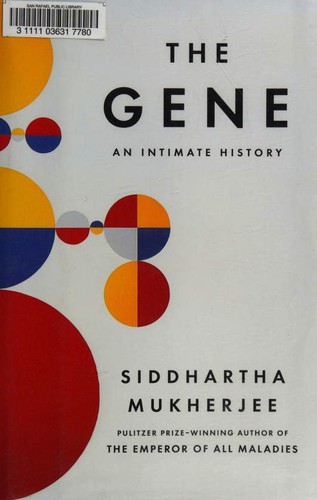
The Gene
Siddhartha Mukherjee, Dennis Boutsikaris
Mukherjee's masterful storytelling reveals patterns of discovery that mirror building breakthrough companies.
-

Bad Blood
John Carreyrou
Gripping real-world narrative of ambition, deception, and leadership lessons every founder must internalize.
-

The Score Takes Care of Itself
Walsh, Bill
Legendary coach's principles on building high-performing teams translate directly to startup execution.
-

Thinking, fast and slow
Daniel Kahneman
Deep insights into human decision-making that sharpen founder judgment and strategy.
-
The Hard Thing About Hard Things
Ben Horowitz
Raw, practical wisdom on navigating the brutal realities of scaling a company.
-

Lifespan
David Sinclair, Matthew D. LaPlante
Cutting-edge science narrative offering long-term thinking and resilience lessons for builders.
Founder activity
Nobody has shelved this yet
Be the first founder to add it.