
Book summary
Touching the Void is Joe Simpson’s firsthand account of his 1985 attempt with Simon Yates to climb the remote and difficult west face of Siula Grande in the Peruvian Andes. After reaching the summit, Simpson falls and shatters his leg on the descent, forcing Yates to lower him by rope in a desperate blizzard; when Simpson is hanging over a crevasse with no way to be pulled up, Yates cuts the rope, believing him dead. Simpson’s miraculous survival, crawling and hopping for days without food or water back to base camp, forms the core of the story. The book’s central argument is an unflinching examination of the limits of human endurance, the razor-thin line between life and death, and the moral weight of the choices climbers make when survival is at stake.
Key founder lessons
-
1
Embrace radical self-reliance
Founders must push through extreme pain and isolation like Joe cutting the rope, taking full ownership when partners can't help.
-
2
Adapt when plans collapse
Simon's improvised descent after the fall shows founders must pivot strategies rapidly when original tactics fail catastrophically.
-
3
Willpower beats impossible odds
Joe's crawl back from the crevasse despite broken leg teaches founders to maintain drive through seemingly hopeless setbacks.
-
4
Trust instincts over doubt
Ignoring hallucinations and fear during solo survival mirrors founders listening to gut when data and advisors contradict.
-
5
Value survival over summit
The duo's retreat decision after success highlights founders prioritizing company survival above chasing glory or milestones.
Grok's review
Brutal survival tale; thin on startup lessons.
As a well-read critic who's devoured every decent founder memoir and business psych book, I respect 'Touching the Void' for its raw honesty about decision-making under extreme pressure, the psychology of perseverance, and the razor-thin line between calculated risk and catastrophe. Simpson's account of cutting the rope, crawling back from a crevasse with a shattered leg, and battling his own despair is gripping and forces you to confront how far you'd really go when everything collapses. That said, it's padded with repetitive climbing minutiae that drags in the middle, the evidence is purely anecdotal with zero broader framework, and the 1980s adventure-writing style feels dated and overly macho at times. For startup founders, it's a powerful metaphor for solo-founder hell, pivoting from near-death, and trusting (or not) your co-founder, but it doesn't deliver structured insights like a true business book would.
Best for: Founders facing existential company crises.
Similar books
-

Endurance
Alfred Lansing, Elena Grau
Gripping tale of leadership, resilience, and team survival mirroring startup adversity.
-

The Right Stuff
Tom Wolfe
Explores courage, risk, and high-stakes decision-making valuable for founders.
-
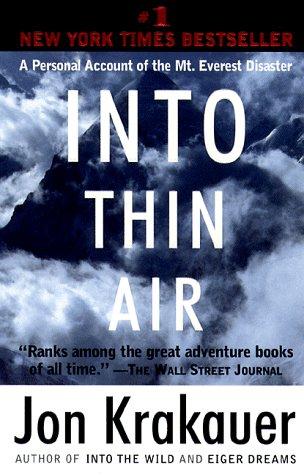
Into Thin Air
Jon Krakauer
Teaches crisis management, accountability, and the perils of overconfidence in ventures.
-
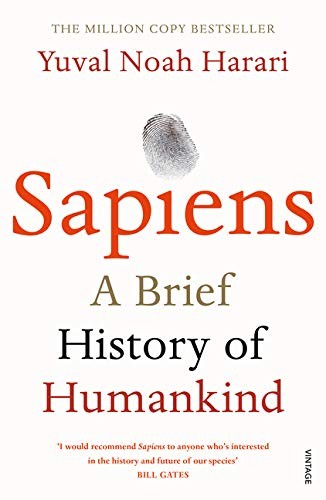
Sapiens
Yuval Noah Harari
Broad historical insights on human cooperation and innovation essential for scaling companies.
-
The Hard Thing About Hard Things
Ben Horowitz
Direct advice on navigating brutal startup challenges with honesty and resilience.
-

Shoe Dog
Phil Knight
Raw memoir of building Nike, full of grit, setbacks, and perseverance lessons.
Founder activity
Nobody has shelved this yet
Be the first founder to add it.