
Book summary
Competing Against Luck by Clayton M. Christensen introduces the Jobs to Be Done theory which posits that customers do not simply buy products or services but instead "hire" them to accomplish specific jobs in their lives. The book explains how companies can achieve predictable innovation and growth by deeply understanding the progress a customer is trying to make in a given circumstance including the functional emotional and social dimensions of that job. By focusing on these jobs rather than demographics or trends innovators can create offerings that customers will pay premium prices for while avoiding the common trap of commoditization. The core argument is that success comes from viewing customer behavior through the lens of the job they are hiring the product to do rather than from traditional market research or competitive analysis.
Key founder lessons
-
1
Focus on the Job to Be Done
Identify the specific job customers hire your product for; build solutions around progress they seek in given circumstances.
-
2
Understand Customer Circumstances
Analyze the context and struggles when customers pull in your product to make progress, revealing unmet needs.
-
3
Create Causal Customer Experiences
Design integrated experiences that causally deliver the functional, emotional, and social progress customers seek.
-
4
Avoid Feature-Led Innovation Traps
Don't compete on attributes or improvements; instead, ensure your offering perfectly performs the customer's job better than alternatives.
-
5
Build Processes Around Jobs
Organize your startup's operations, metrics, and culture to consistently hire the right solutions for evolving customer jobs.
Grok's review
Jobs-to-be-Done is essential, execution is uneven.
Competing Against Luck delivers one of the most powerful mental models any founder can adopt: customers don't buy products, they 'hire' them to get a specific job done. Christensen's framework forces you to stop obsessing over demographics and start observing functional, emotional, and social progress customers seek in a given circumstance. The milkshake story alone is worth the price of admission and has become required reading in many startup war rooms. That said, the book is padded with repetitive case studies, some of which feel dated or cherry-picked, and the evidence is often anecdotal rather than rigorously causal. It could have been a crisp 120-page manifesto instead of a 250-page book. Still, the core insight is timeless and sharper than most innovation theater you'll encounter.
Best for: Founders and product leaders building the next product roadmap.
Similar books
-
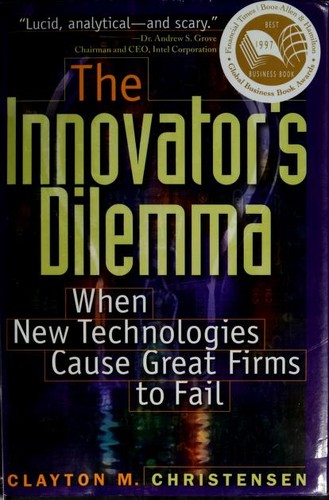
The Innovator's Dilemma
Clayton M. Christensen, L J Ganser
Explains why great companies fail when facing disruptive innovation, essential for strategic foresight.
-
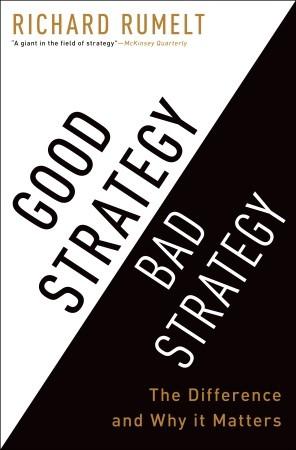
Good Strategy, Bad Strategy
Richard P. Rumelt
Teaches how to craft clear, coherent strategies that drive real competitive advantage.
-
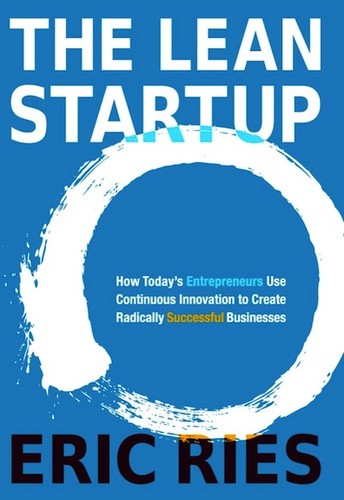
The Lean Startup
Eric Ries
Shows how to test assumptions quickly and build products customers actually want.
-

Crossing the Chasm
Geoffrey A. Moore
Guides startups on marketing and selling disruptive tech to mainstream buyers.
-

blue ocean strategy
Reveals how to create uncontested market space and make competition irrelevant.
-

Only the paranoid survive
Andrew S. Grove
Offers lessons on navigating inflection points and leading through industry disruption.
Founder activity
Nobody has shelved this yet
Be the first founder to add it.