Book summary
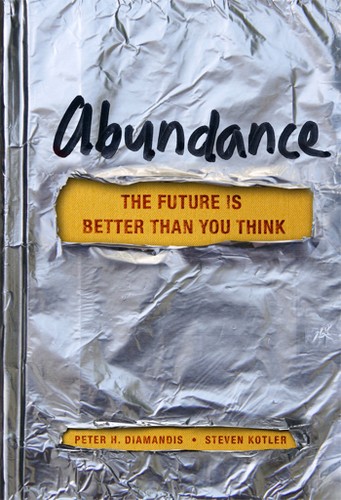
Abundance by Peter H Diamandis and Steven Kotler argues that humanity is on the verge of providing for the basic needs of every person on Earth through the convergence of four powerful forces: exponentially growing technologies, DIY innovators, technophilanthropists, and the rising global billion. The authors challenge conventional pessimism by documenting rapid progress in areas such as water, food, energy, healthcare, education, and freedom, highlighting breakthroughs by figures like Elon Musk, Ray Kurzweil, and Dean Kamen. Rather than a distant utopia, they present a pragmatic roadmap for governments, industry, and entrepreneurs to accelerate this shift, showing how these forces are closing the gap between the privileged few and the global majority faster than expected. The core message is one of radical optimism grounded in data, positioning abundance as an achievable near-term reality.
Key founder lessons
-
1
Exponential Tech Drives Abundance
Founders should build on Moore's Law-style growth in tech like AI and biotech to solve massive problems faster than linear thinking predicts.
-
2
Leverage the Rising Billion
Treat the world's poorest as emerging consumers and innovators; design products that empower the bottom of the pyramid for explosive market growth.
-
3
DIY Innovators Accelerate Progress
Empower citizen scientists and makers with tools like 3D printing and open-source platforms to crowdsource breakthroughs in water, energy, and health.
-
4
Technophilanthropists Scale Solutions
Attract high-net-worth individuals focused on impact to fund moonshot ventures, mirroring how Skoll and others back exponential innovations.
-
5
Set Audacious Hard Targets
Define specific, measurable goals for abundance in sectors like healthcare and education, then use roadmaps and incentives to rally teams and partners.
Grok's review
Optimistic tech gospel with heavy padding.
Abundance is a breathless love letter to exponential tech that correctly spots how converging forces (Moore's Law on steroids, DIY innovation, technophilanthropists, and the rising global middle class) are attacking humanity's biggest constraints. Diamandis and Kotler marshal an impressive parade of real innovators—Kamen's Slingshot, Venter's synthetic biology, Khan Academy, etc.—and the core thesis that we are on the cusp of solving water, food, energy, and health problems at planetary scale still feels directionally right for founders building in deep tech or frontier markets. The weaknesses are glaring, however: the book is padded with repetitive futurist cheerleading, cherry-picked anecdotes that sometimes outrun the evidence, and ideas that already felt dated by the time the 2012 edition hit shelves (the post-2020 shocks of pandemic, inflation, and geopolitical fracture make the sunny narrative read even thinner today). It functions more as motivational rocket fuel than rigorous analysis. Worth reading once if you need a mindset reset on what's possible, but don't treat it as strategy or forecasting gospel.
Best for: Deep-tech founders fighting pessimism
Similar books
-
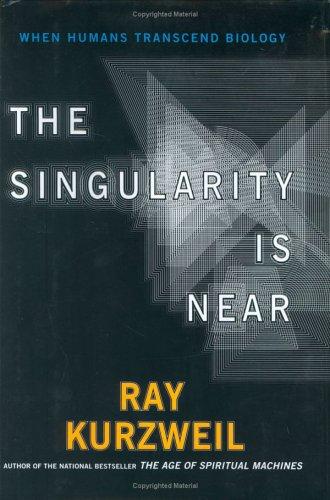
The Singularity Is Near
Ray Kurzweil
Explores exponential tech growth and its massive business opportunities, mirroring Abundance's optimistic futurism.
-
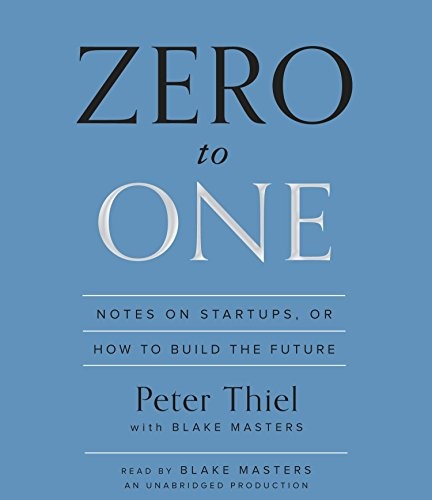
Zero to One
Peter A. Thiel, Blake Masters
Teaches building breakthrough companies through monopoly and innovation, with visionary startup lessons.
-

Exponential Organizations
Salim Ismail, Kevin Young
Shows how to scale businesses exponentially using tech and community, directly extending Abundance's themes.
-
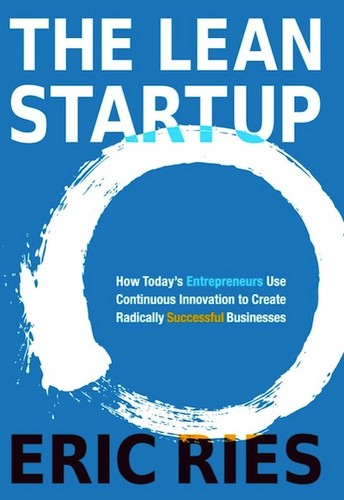
The Lean Startup
Eric Ries
Provides practical methods for testing ideas and iterating fast in uncertain, high-growth environments.
-

BOLD
Peter H. Diamandis
Builds on exponential mindset with tools for moonshot ventures and massive impact.
-
Sapiens
Yuval Noah Harari
Reveals human history patterns that inform strategy, culture, and long-term company building.
Founder activity
Nobody has shelved this yet
Be the first founder to add it.