
Book summary
How the World Really Works by Vaclav Smil is a data-driven examination of the fundamental material and energy realities underpinning modern civilization. The book focuses on four pillars of our existence—food production, fossil fuels, steel and concrete manufacturing, and globalization through shipping—revealing their immense scale, heavy dependence on hydrocarbons, and the immense difficulties of rapid decarbonization. Smil argues that techno-optimistic visions of a quick transition to renewables ignore these physical and engineering constraints, urging instead for pragmatic realism, greater energy literacy, and incremental improvements rather than utopian fantasies. The core message is that understanding these quantifiable fundamentals is essential for making informed decisions about our future.
Key founder lessons
-
1
Master material realities over hype
Founders must ground product roadmaps in actual energy, food, and material constraints detailed in the book rather than assuming tech will magically decarbonize everything.
-
2
Prioritize energy density understanding
Smil's analysis shows why fossil fuels dominate; founders building cleantech should focus on high-density solutions instead of low-yield renewables that can't scale quickly.
-
3
Recognize interdependence of systems
Global supply chains for ammonia, steel, and cement are tightly linked; founders scaling hardware must map these material flows to avoid bottlenecks.
-
4
Embrace probabilistic risk assessment
Smil highlights how rare events like pandemics disrupt flows; founders should build antifragile operations accounting for real-world uncertainties rather than averages.
-
5
Focus on fundamentals before innovation
Before chasing disruption, deeply understand the four pillars (energy, food, materials, environment) that underpin modern economies as Smil quantifies.
Grok's review
Dense material truths, but padded and preachy.
Smil's book is a data-heavy reality check on energy, food, materials, and globalization that every founder should grapple with—his core argument that we're nowhere near ready to decarbonize without massive tradeoffs is sobering and well-supported by numbers. What works is the relentless insistence on understanding physical realities over Silicon Valley hype; it's a useful antidote to techno-optimist echo chambers. What doesn't is the padding (repetitive stats and rants), some dated framing on tech progress, and evidence that sometimes feels selectively marshaled to dunk on green dreams rather than neutrally explore solutions. Worth a founder's time if you're building in climate, energy, agtech or manufacturing—skip if you want breezy narrative or startup tactics.
Best for: Founders in hard tech, energy, or infrastructure
Similar books
-

Energy and Civilization
Vaclav Smil
Explores energy's pivotal role in human progress, offering founders insights on resource constraints and innovation scalability.
-

The Prize
Daniel Yergin
Chronicles energy's global impact on economies and geopolitics, teaching strategic thinking for industry disruption and long-term planning.
-
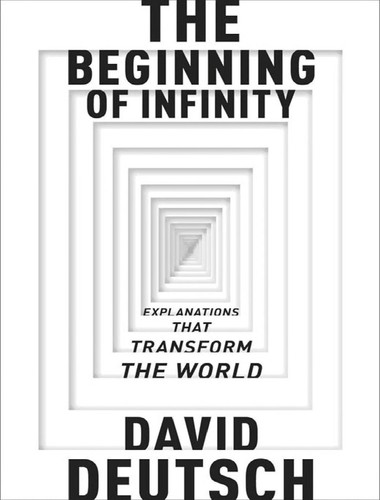
The Beginning of Infinity
David Deutsch
Promotes optimistic, knowledge-driven progress, inspiring founders to tackle hard problems with creative, explanatory thinking.
-

Scale
Geoffrey West
Reveals mathematical patterns in growth and sustainability, guiding founders on efficient scaling and avoiding organizational pitfalls.
-
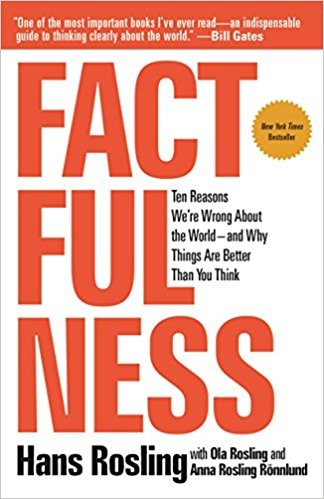
Factfulness
Hans Rosling, Ola Rosling
Combats misconceptions with data, sharpening decision-making and optimistic yet realistic strategy for building ventures.
Founder activity
Nobody has shelved this yet
Be the first founder to add it.