
Book summary
The Prize by Daniel Yergin is a sweeping history of the global oil industry from its 19th-century origins in Pennsylvania through its transformation into the world's most powerful commodity. It traces how oil shaped economic booms and busts, geopolitical conflicts, and the rise and fall of empires and nations, with pivotal moments including the Rockefeller era, two world wars, the OPEC embargo, and the Gulf War. The core argument is that oil has been the central prize of modern industrial civilization, driving both progress and conflict while remaining an unpredictable force in international affairs.
Key founder lessons
-
1
Energy is the master resource
Founders must obsess over securing their core resource like oil, as it underpins all value creation per the book's history.
-
2
Geopolitics dictates markets
Anticipate how wars, cartels, and governments reshape industries, as seen in oil's 20th-century battles.
-
3
Technology disrupts empires
Invest in innovation like drilling tech that repeatedly upended oil giants and created new winners.
-
4
OPEC's cartel power wanes
Build antifragile strategies against price cartels, understanding their eventual fractures from the book's narrative.
-
5
Energy transitions take decades
Plan long-term for shifts like oil to alternatives, mirroring the slow, conflict-ridden changes chronicled.
Grok's review
Essential history, but bloated and dated for operators.
Yergin's sweeping chronicle of oil—from Rockefeller to OPEC shocks to the 1990s geopolitics—is a masterclass in how energy underpins every major economic and political shift, which startup founders ignore at their peril. The first half crackles with vivid characters and high-stakes strategy lessons that echo modern platform battles and resource monopolies. But it suffers from serious padding (the book is a doorstop that could lose 200 pages), some ideas that feel quaint post-shale revolution and climate tech boom, and evidence that occasionally leans on narrative over rigorous data. Still worth the slog for the pattern recognition it builds around commodity cycles, energy transitions, and state power—topics every founder in climate, hardware, or global supply chains should internalize.
Best for: Founders in energy, hardware, or geopolitics-sensitive markets.
Similar books
-

The ascent of money
Niall Ferguson
Reveals financial history's role in shaping empires and markets, offering strategic lessons for building resilient businesses.
-

Bad Blood
John Carreyrou
Exposes the Theranos scandal, teaching founders about integrity, due diligence, and the perils of hype in startups.
-

The power broker: Robert Moses and the fall of New York
Robert A. Caro
Chronicles Robert Moses' use of power and bureaucracy, delivering timeless insights on influence and execution for leaders.
-

Titan
Ron Chernow
John D. Rockefeller's biography shows ruthless strategy and innovation that built Standard Oil, inspiring modern empire builders.
-
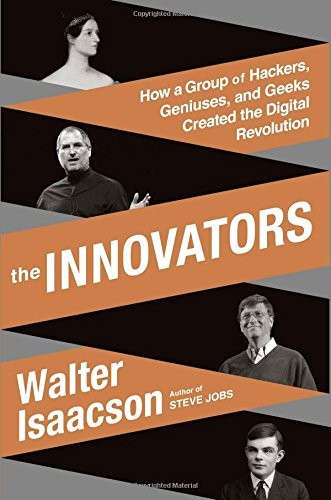
The Innovators
Walter Isaacson, Francisco José Ramos Mena
Traces computing and internet pioneers, highlighting collaboration and creativity essential for tech-driven companies.
-

Energy
Vaclav Smil
Explains global energy systems and transitions, providing context for strategic decisions in resource-dependent industries.
Founder activity
Nobody has shelved this yet
Be the first founder to add it.