
Book summary
The McKinsey Mind by Ethan M. Rasiel and Paul N. Friga explains how to apply the problem-solving tools, techniques, and mental habits used by the elite consulting firm McKinsey & Company to tackle complex business challenges. It breaks down core methods such as fact-based analysis, hypothesis-driven thinking, structured problem-solving frameworks, and effective communication and implementation strategies, showing readers how to generate insights, manage teams, and drive change in any organization. The book functions as a practical companion to The McKinsey Way, using real-world examples, parables, and exercises to translate the firm's secretive approach into actionable steps for managers and executives. Its core argument is that anyone can achieve superior results by adopting McKinsey's disciplined, fact-driven mindset rather than relying on intuition or conventional wisdom.
Key founder lessons
-
1
Fact-based problem solving
Gather exhaustive facts first to ground hypotheses and avoid opinion-driven decisions that doom startups.
-
2
MECE issue trees
Break every problem into mutually exclusive, collectively exhaustive branches to systematically diagnose root causes.
-
3
Hypothesis-driven analysis
Form an initial answer early, then rigorously prove or disprove it to accelerate decision velocity.
-
4
Elevator pitch communication
Distill every recommendation into a 30-second clear message so investors and teams grasp it instantly.
-
5
Storyline-driven presentations
Structure every deck as a logical narrative with supporting data so stakeholders buy in without confusion.
Grok's review
Dated McKinsey toolkit with too much padding.
The McKinsey Mind tries to operationalize the firm's famous problem-solving approach with frameworks, fact-gathering techniques, and presentation tips, which can feel like a peek behind the consulting curtain. What works is the core MECE principle and the emphasis on hypothesis-driven thinking; those ideas still sharpen how founders structure ambiguous problems. What doesn't work is the relentless padding, repetitive anecdotes, thin empirical evidence, and a 2001-era worldview that feels increasingly quaint in today's startup context—lots of slides, lots of hierarchy, little on speed, experimentation, or modern product thinking. For founders it's a mediocre use of time; the useful 20% could be absorbed from a blog post or a better modern strategy book like "The Great Mental Models" or even just re-reading "The McKinsey Way" itself.
Best for: Aspiring consultants or ex-McKinsey operators nostalgic for the old playbook.
Similar books
-

The McKinsey way
Ethan M. Rasiel
Reveals core problem-solving and decision frameworks used at McKinsey for business strategy.
-
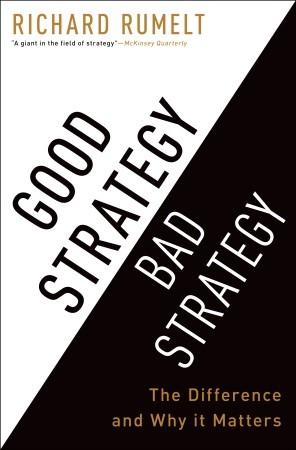
Good Strategy, Bad Strategy
Richard P. Rumelt
Teaches clear strategic thinking and diagnosis essential for founders and leaders.
-
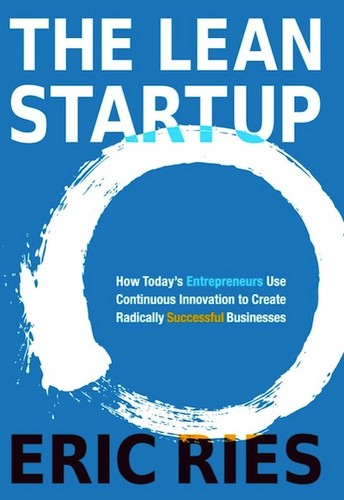
The Lean Startup
Eric Ries
Provides rigorous methods for testing ideas, iterating, and building scalable businesses efficiently.
-

Thinking, fast and slow
Daniel Kahneman
Illuminates cognitive biases and decision-making pitfalls crucial for better business judgment.
-

High Output Management
Andrew S. Grove
Delivers practical productivity, management, and scaling techniques from a legendary CEO.
-
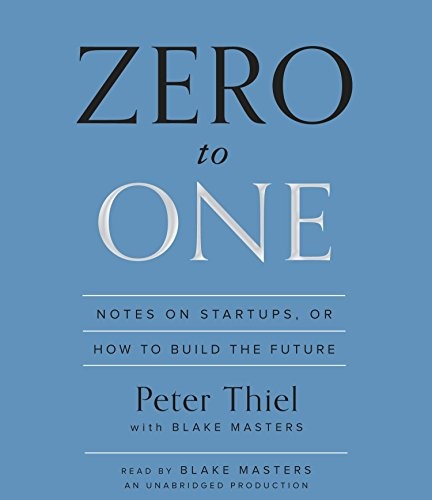
Zero to One
Peter A. Thiel, Blake Masters
Challenges conventional thinking on innovation, monopoly, and building breakthrough companies.
Founder activity
Nobody has shelved this yet
Be the first founder to add it.