
Book summary
The McKinsey Way by Ethan M. Rasiel is a practical insider's guide to the problem-solving, communication, and management techniques used by the elite consulting firm McKinsey & Company. Drawing on his own experience as a former associate, Rasiel reveals how McKinsey recruits and trains its consultants, structures engagements around rigorous fact-based analysis, and employs tools such as hypothesis-driven thinking, structured brainstorming, the "waterfall chart," and relentless focus on the "so what" to deliver high-impact recommendations. The core argument is that these disciplined, efficient methods are not exclusive to McKinsey but can be learned and applied by anyone to improve business decision-making, team performance, client buy-in, and personal effectiveness in high-pressure environments.
Key founder lessons
-
1
Structure every problem with MECE
Founders use mutually exclusive, collectively exhaustive frameworks to break down complex startup issues into clear, non-overlapping parts for faster decisions.
-
2
Hypothesize first, then prove or disprove
Startup leaders form an initial hypothesis from limited data, then rapidly test it with facts instead of gathering endless information before acting.
-
3
Sell without selling by focusing on client needs
Founders build buy-in for their vision by deeply understanding stakeholder problems and framing solutions as tailored answers rather than pushing ideas.
-
4
Use the waterfall chart for presentations
Entrepreneurs present data-driven recommendations in cascading visual layers to make complex startup strategies instantly clear and persuasive to investors or teams.
-
5
Build fact-based teams that challenge assumptions
Founders recruit and manage high-performing teams that rely on rigorous data and open debate to avoid groupthink and drive better product and strategy outcomes.
Grok's review
Dated consulting toolkit with useful bones but lots of padding.
The McKinsey Way is a breezy, anecdote-heavy peek behind the curtain of the world's most prestigious consulting firm. Rasiel distills the firm's problem-solving rituals—hypothesis-driven thinking, MECE issue trees, fact-based analysis, structured brainstorming, and the infamous pyramid principle for presentations—into short, readable chapters that feel like a consulting bootcamp. For startup founders it can sharpen how you frame ambiguous problems, cut through opinion with data, and communicate recommendations without fluff. Yet the book is padded with filler stories, name-dropping, and generic advice that hasn't aged especially well; some tactics feel corporate and slow for resource-constrained teams, the evidence is mostly “we did it this way at McKinsey,” and the survival tips for high-pressure environments read like humblebrags. It's worth skimming once if you want a lightweight introduction to structured thinking, but don't treat it as gospel.
Best for: Founders who want structured problem-solving without an MBA
Similar books
-

The McKinsey mind
Ethan M. Rasiel, Paul N. Friga
Builds directly on McKinsey frameworks with practical tools for problem-solving and implementation.
-

The pyramid principle
Barbara Minto
Teaches structured thinking and persuasive communication, core to McKinsey-style consulting excellence.
-
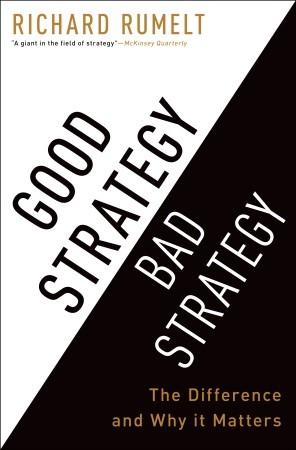
Good Strategy, Bad Strategy
Richard P. Rumelt
Clarifies how to craft clear, coherent strategies that drive real competitive advantage.
-

High Output Management
Andrew S. Grove
Delivers timeless principles on productivity, decision-making, and scaling teams effectively.
-

Thinking, fast and slow
Daniel Kahneman
Reveals cognitive biases to improve judgment and strategic decisions in business.
-
The Hard Thing About Hard Things
Ben Horowitz
Offers raw, practical wisdom on leading through the toughest startup challenges.
Founder activity
Nobody has shelved this yet
Be the first founder to add it.