Book summary
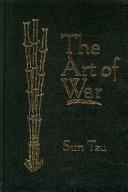
The Art of War is an ancient Chinese military treatise attributed to the strategist Sun Tzu that distills essential principles for achieving victory in warfare and conflict. It emphasizes strategic planning, deception, adaptability, terrain knowledge, and understanding both oneself and the enemy as keys to success without unnecessary fighting. The core argument is that the greatest triumph comes from winning through superior strategy and positioning rather than brute force, making its lessons applicable far beyond the battlefield to leadership, business, and everyday competition.
Key founder lessons
-
1
Know yourself and the enemy
Founders must deeply research competitors and their own capabilities before launching products to avoid costly blind spots.
-
2
Attack where unprepared
Enter markets or features where rivals are weak or distracted, striking swiftly to gain decisive advantage.
-
3
Use deception strategically
Conceal true intentions and capabilities from competitors while misleading them about your plans to create openings.
-
4
Adapt to changing conditions
Treat every market shift like battlefield terrain and flexibly adjust tactics rather than rigidly following initial strategy.
-
5
Win without fighting
Build alliances, create superior positioning, or deter competitors so victory comes through strategy, not direct costly battles.
Grok's review
Timeless axioms, but thin on modern execution.
The Art of War is a masterclass in concise strategic thinking that rewards multiple re-reads; its core ideas on deception, positioning, knowing your enemy (and yourself), and avoiding unnecessary conflict map surprisingly well to competitive markets, sales cycles, and founder psychology. What works is the brutal clarity and lack of filler in the best translations—every line feels like a leveraged insight. What doesn't is the padding in some editions with later commentary, the dated battlefield metaphors that require translation to SaaS or venture contexts, and the complete absence of evidence or case studies; it's all assertion, which can feel like fortune-cookie wisdom if you're not already primed to apply it. For startup founders it's worth the short read mainly as a mental model generator and a cultural literacy flex, but don't treat it as a playbook.
Best for: Strategic thinkers who already have operational experience.
Similar books
-
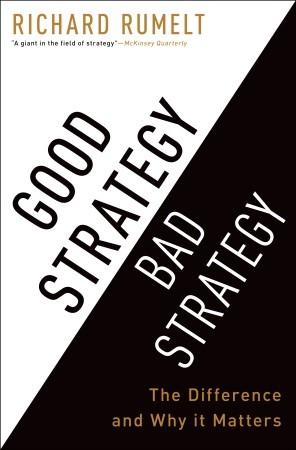
Good Strategy, Bad Strategy
Richard P. Rumelt
Teaches clear strategic thinking and avoiding vague plans, echoing Sun Tzu's principles in business.
-

The 48 Laws of Power
Robert Greene
Reveals power dynamics and tactics for leadership, applying strategic wisdom to career and company building.
-

On War
Carl von Clausewitz
Explores conflict, friction, and strategy fundamentals adaptable to competitive business environments.
-

The Prince
Niccolò Machiavelli
Offers pragmatic advice on leadership, power, and decision-making in uncertain times.
-

High Output Management
Andrew S. Grove
Provides practical tactics for operational excellence and leading teams like a strategic commander.
-
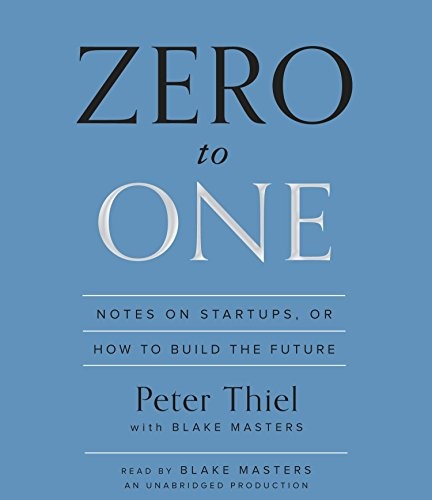
Zero to One
Peter A. Thiel, Blake Masters
Challenges founders to create unique value and monopoly-like advantages through bold strategy.
Founder activity
Nobody has shelved this yet
Be the first founder to add it.