
Book summary
The 48 Laws of Power by Robert Greene is a manual that distills three thousand years of history philosophy and strategy into forty-eight ruthless principles for acquiring wielding and defending power. Drawing on the tactics of figures from Machiavelli and Sun Tzu to Queen Elizabeth I Henry Kissinger and P T Barnum each law is illustrated with historical anecdotes that reveal how power operates in every sphere of life. The core argument is that power is an amoral game governed by immutable laws which the wise must master without illusion or moral squeamishness if they wish to avoid being its victim. Whether used offensively or defensively the laws emphasize prudence stealth deception and total ruthlessness when necessary.
Key founder lessons
-
1
Never outshine the master
Secure your position by making superiors feel superior, avoiding their insecurity as seen in historical court intrigues.
-
2
Conceal your intentions
Keep plans hidden to prevent opposition, using misdirection like Greene's examples of strategic deceivers.
-
3
Always say less than necessary
Maintain power through mystery and control by speaking minimally, avoiding vulnerability in negotiations.
-
4
Crush your enemy totally
Eliminate rivals completely to prevent future threats, applying the ruthlessness of historical conquerors.
-
5
Use absence to increase respect
Create value through scarcity by withdrawing strategically, heightening desire as in Greene's power plays.
Grok's review
Entertaining dark arts manual, but dated and padded.
The 48 Laws of Power is a seductive, beautifully designed compendium of historical anecdotes that reads like a Machiavellian playbook for the ambitious. Greene's strength is storytelling—he pulls vivid examples from centuries of schemers, courtiers, and conquerors to illustrate each law, making it hard to put down. For startup founders it can sharpen your radar for office politics, negotiation tactics, and competitive moves that polite business books pretend don't exist. The weaknesses are glaring though: it's padded with repetitive filler, the 'evidence' is cherry-picked historical stories rather than rigorous patterns, many laws feel dated or zero-sum in a modern collaborative startup world, and the amoral tone can encourage cynicism that harms long-term team-building and reputation. It's worth skimming once for awareness, but treat it as a cautionary lens rather than a bible.
Best for: Founders navigating cutthroat competition or corporate politics
Similar books
-

The 33 Strategies of War
Robert Greene, Don Leslie
Master strategic thinking to outmaneuver competitors and build lasting business advantages.
-

Mastery
Robert Greene
Learn how to achieve world-class expertise and build a standout company or career.
-

The Prince
Niccolò Machiavelli
Timeless lessons on power, leadership, and navigating politics in business and startups.
-
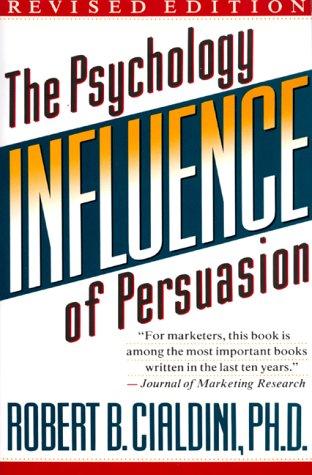
Influence
Robert B. Cialdini
Understand persuasion principles to excel in sales, marketing, and stakeholder management.
-
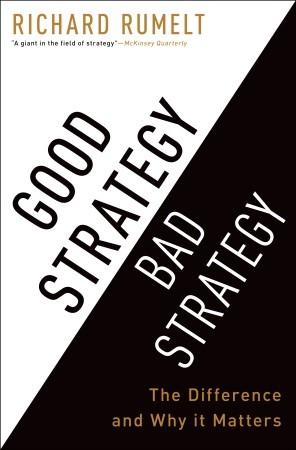
Good Strategy, Bad Strategy
Richard P. Rumelt
Distills clear frameworks for crafting winning business strategies in competitive markets.
-
The Hard Thing About Hard Things
Ben Horowitz
Raw advice on leading through crises, making tough calls, and scaling a company.
Founder activity
Nobody has shelved this yet
Be the first founder to add it.