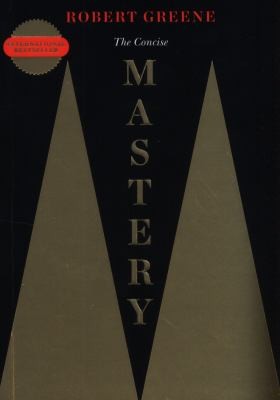
Book summary
Mastery by Robert Greene argues that true greatness is not the result of innate talent, luck, or quick hacks but a rigorous process anyone can follow. The book maps a universal path to mastery involving finding your Life's Task, undergoing a deep apprenticeship, acquiring creative-active skills, and eventually achieving intuitive mastery. Drawing on the lives of historical masters from Leonardo da Vinci to modern figures, Greene debunks the myth of genius as a mysterious gift and instead presents it as the outcome of intense focus, strategic learning, and years of deliberate practice. The core argument is that by aligning with your unique inclinations and patiently cycling through these phases, you can transform yourself into a master in any field.
Key founder lessons
-
1
Apprenticeship before autonomy
Endure years of humble observation and skill-building under masters, as Greene details, to internalize craft fundamentals before innovating as a founder.
-
2
Find your life's task
Discover your unique inclination early, per Greene's profiles, and align your startup relentlessly to it for sustained motivation and edge.
-
3
Master through deliberate practice
Greene shows greatness demands 10,000+ hours of focused, feedback-driven repetition—apply this to product iteration and team skills.
-
4
Cultivate strategic intuition
Absorb deep domain knowledge until intuitive decisions emerge, as historical masters did, guiding pivots and market timing.
-
5
Transcend self through creative-active phase
After apprenticeship, Greene urges bold experimentation to fuse influences into original work, fueling disruptive startup innovation.
Grok's review
Compelling but padded path to 'greatness' for founders.
Greene's Mastery is a seductive tour through historical figures who achieved legendary skill levels, weaving psychology, biography, and strategy into a framework for deliberate practice, mentorship, and creative breakthroughs that resonates with ambitious founders chasing product-market fit or category creation. The core idea—that mastery comes from years of obsessive, apprenticeship-style immersion rather than innate genius or shortcuts—is powerful and anti-hustle-culture in a useful way, echoing what we've seen in builders like Musk or Jobs. However, it's weakened by massive padding (repetitive anecdotes stretched thin across 350+ pages), dated pop-psych ideas from the early 2010s, and evidence that's more narrative cherry-picking than rigorous research—Greene's Machiavellian lens can feel manipulative when applied to team-building or ethics in startups. Worth reading for the inspiration and mental models if you're in a rut, but skim aggressively; it's no substitute for Cal Newport's Deep Work or Ericsson's Peak on the same themes.
Best for: Ambitious founders seeking historical inspiration for long-term skill-building.
Similar books
-

The 48 Laws of Power
Robert Greene
Mastery of strategy and human nature for navigating business power dynamics.
-
The Obstacle is the Way
Ryan Holiday
Stoic principles for turning adversity into advantage in startups and leadership.
-

Atomic Habits
James Clear
Builds disciplined systems for personal mastery and sustained high performance.
-
Deep Work
Cal Newport
Cultivates intense focus essential for creative mastery and building great companies.
-
The Hard Thing About Hard Things
Ben Horowitz
Raw lessons on leadership and decision-making through startup crises.
-

Principles
Ray Dalio
Systematic thinking for decision-making and building exceptional organizations.
Founder activity
Nobody has shelved this yet
Be the first founder to add it.