
Book summary
Inspired by Marty Cagan is a practical guide to modern product management that explains why only a small number of companies consistently create products customers love. Cagan argues that the key difference lies in how top organizations discover valuable usable and feasible products through strong product teams empowered to solve problems rather than merely deliver features. The book covers techniques for opportunity selection evidence-based validation minimal viable products stakeholder management and adapting Agile methods for commercial success drawing on lessons from Silicon Valley leaders. Its core argument is that great products come from dedicated discovery work and empowered cross-functional teams not from better execution of flawed ideas.
Key founder lessons
-
1
Discover valuable, usable, feasible products
Founders must validate opportunities meet all three criteria before investing engineering resources, per Cagan's core framework.
-
2
Empower product teams with ownership
Shift from feature teams to empowered, cross-functional product teams that own outcomes, not just outputs, as top tech firms do.
-
3
Use discovery techniques for evidence
Apply prototypes, user testing, and experiments early to gather data proving the product will succeed before building.
-
4
Define minimal successful product
Identify the smallest viable solution that delivers real value and meets success metrics, avoiding overbuilding.
-
5
Adapt Agile for product discovery
Extend Agile beyond delivery into dual-track discovery to resolve risks and align stakeholders effectively.
Grok's review
Product gospel with too much filler.
Inspired is the closest thing we have to a modern product management bible, distilling hard-won lessons from Silicon Valley's best into practical frameworks for discovery, prioritization, and cross-functional collaboration. What works is Cagan's clear-eyed distinction between feature teams and true product teams, his emphasis on continuous discovery, and the concrete techniques for validating ideas before wasting engineering cycles. Where it falters is the padding—repetitive case studies, laundry-list principles, and sections that feel like they're stretched to justify a book rather than a long article—plus some dated references that haven't aged perfectly in the post-2017 startup world. The evidence is mostly anecdotal wisdom from big-tech successes rather than rigorous data, which can feel thin if you're skeptical of guru lore. Still, it's worth a founder's time if you're building or scaling a product org, especially if you read it ruthlessly and skip the fluff.
Best for: Founders hiring or leveling up their first product team.
Similar books
-
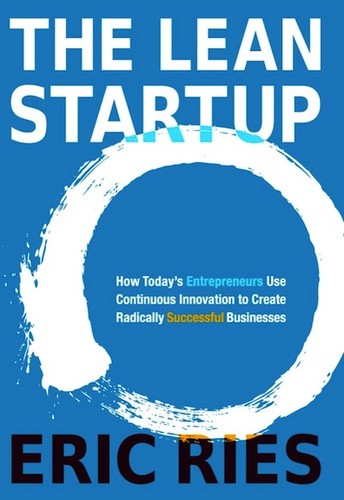
The Lean Startup
Eric Ries
Teaches iterative product development and validated learning to build successful startups efficiently.
-
The Hard Thing About Hard Things
Ben Horowitz
Offers raw, practical advice on leading and scaling a company through tough challenges.
-

High Output Management
Andrew S. Grove
Provides timeless principles for effective management, productivity, and decision-making in growing organizations.
-
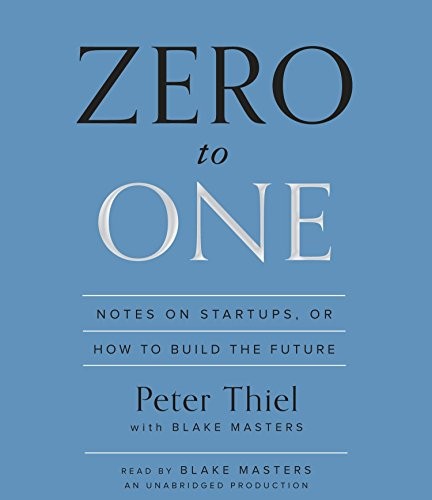
Zero to One
Peter A. Thiel, Blake Masters
Explores building innovative monopolies and creating breakthrough value in startups.
-
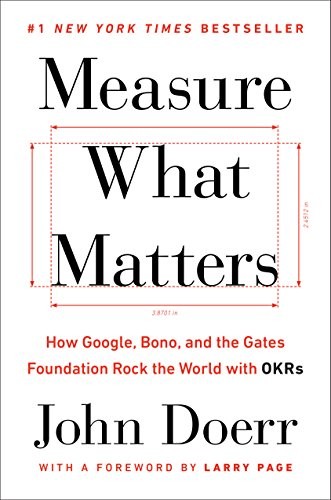
Measure what matters
John Doerr
Shows how OKRs drive focus, alignment, and measurable results in fast-growing companies.
-

Blitzscaling
Reid Hoffman
Explains rapid scaling strategies used by the world's fastest-growing companies.
Founder activity
Nobody has shelved this yet
Be the first founder to add it.