
Book summary
Blitzscaling by Reid Hoffman outlines a high-velocity approach to company building that prioritizes rapid scaling over efficiency in order to achieve massive size before competitors can catch up. The book explains how founders must deliberately embrace chaos, make decisions with incomplete information, and accept higher risk and potential waste to move from one to one billion users or customers at unprecedented speed. Drawing on examples from companies like Google, Facebook, Netflix, and LinkedIn, it details the organizational, operational, and leadership shifts required at each stage of hypergrowth along with the management techniques needed to survive the resulting internal turmoil. The core argument is that in winner-take-most markets, being the first to scale aggressively often matters more than perfecting the product or optimizing early operations.
Key founder lessons
-
1
Prioritize speed over efficiency
Founders must accept short-term chaos and gross margins to achieve rapid scale before competitors, as detailed in the book's framework.
-
2
Embrace 'good enough' hiring
Hire for potential and learnability rather than proven expertise to fuel hypergrowth, even if it means tolerating initial underperformance.
-
3
Choose markets with network effects
Target markets where value increases with users to create defensible moats that amplify blitzscaling advantages.
-
4
Navigate the five stages of blitzscaling
Adapt management from family to tribe to village to city to nation phases, shifting leadership style at each inflection point.
-
5
Use innovation accounting for uncertainty
Track leading indicators like engagement and retention instead of traditional metrics to guide decisions in high-ambiguity environments.
Grok's review
Useful framework, padded with anecdotes and hindsight bias.
Blitzscaling delivers a compelling thesis on why some startups must prioritize speed over efficiency to dominate markets, drawing from Hoffman's LinkedIn experience and interviews with icons like Zuckerberg and Bezos. The core ideas around embracing chaos, hiring ahead of revenue, and making 'good enough' decisions at scale are genuinely valuable for founders in winner-take-most markets. However, it suffers from padding—repetitive case studies that feel cherry-picked with survivor bias—and many tactics feel dated in a post-2010s world of higher interest rates, AI acceleration, and regulatory scrutiny. The evidence is often thin on causation versus correlation, reading more like a victory lap than rigorous analysis. Still worth reading if you're in hypergrowth mode, but don't treat it as gospel.
Best for: Founders navigating rapid scaling in network-effect businesses.
Similar books
-
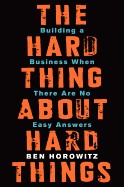
The Hard Thing About Hard Things
Ben Horowitz
Masterclass on navigating tough startup decisions and scaling challenges.
-

High Output Management
Andrew S. Grove
Timeless principles for operational excellence and leading high-growth teams.
-
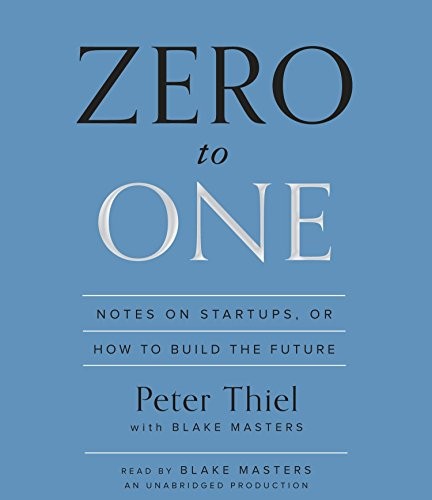
Zero to One
Peter A. Thiel, Blake Masters
Essential insights on innovation, monopoly building, and startup strategy.
-
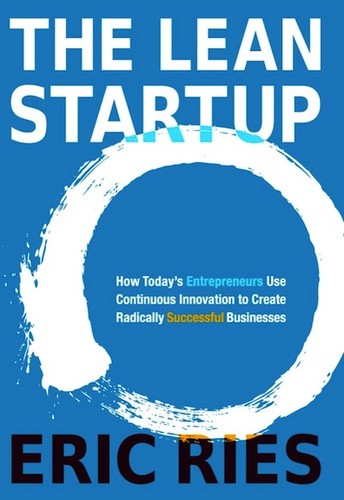
The Lean Startup
Eric Ries
Practical framework for rapid iteration and building scalable businesses.
-

Only the paranoid survive
Andrew S. Grove
Strategic lessons on adapting to inflection points in hyper-competitive markets.
-
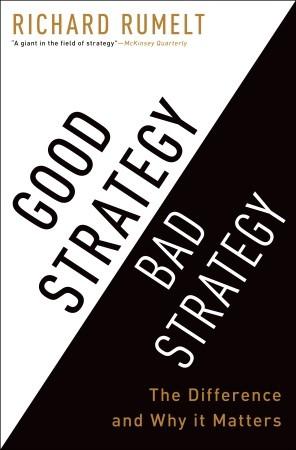
Good Strategy, Bad Strategy
Richard P. Rumelt
Teaches clear strategic thinking critical for scaling companies effectively.
Founder activity
Nobody has shelved this yet
Be the first founder to add it.