
Book summary
The Immortal Life of Henrietta Lacks tells the story of a poor Black tobacco farmer whose cervical cancer cells were taken without her consent at Johns Hopkins in 1951 and became the immortal HeLa cell line that revolutionized modern medicine powering the polio vaccine gene mapping IVF and countless other breakthroughs. Rebecca Skloot weaves together Henrietta’s overlooked life and death the multibillion-dollar industry built on her cells and the ongoing struggles of her descendants who remain impoverished and without health care despite the fame of those cells. At its core the book argues that the triumph of scientific progress has long been entangled with racial injustice medical ethics violations and the question of who owns the human body and its biological material exposing how African American patients were routinely exploited in the name of research.
Key founder lessons
-
1
Ethics before exploitation
Founders must secure explicit informed consent before using any personal data or biological material, avoiding Henrietta's unknowing contribution to billions in profits.
-
2
Acknowledge invisible contributors
Give credit and compensation to overlooked individuals whose work or cells enable your breakthrough, as HeLa's family received nothing despite massive scientific gains.
-
3
Build bioethics frameworks early
Establish clear policies on ownership of derived innovations to prevent future lawsuits, mirroring the birth of bioethics from the Lacks case.
-
4
Bridge science and human stories
Understand the personal and cultural context of your users or sources, as the book reveals how racial inequities shaped medical exploitation and distrust.
-
5
Control your own narrative
Protect intellectual property rights over personal biological data, learning from the legal battles over whether we own the stuff we're made of.
Grok's review
Powerful ethics tale, but padded narrative drags.
Skloot's book is a gripping reminder that breakthrough tech often rides on uncompensated human raw material, making it essential reading for founders scaling life-science or data businesses. The reporting on Henrietta's family, the racial inequities in 1950s medicine, and the birth of bioethics is first-rate and still relevant to today's debates over consent, IP, and who profits from biological data. Yet the storytelling is bloated with repetitive scenes, tangential biographies, and emotional padding that could have been cut by a third without losing impact. The evidence on some later legal and scientific developments also feels thin and occasionally dated now that CRISPR, biobanks, and GDPR have moved the goalposts.
Best for: Founders in biotech, healthtech, or data ethics.
Similar books
-
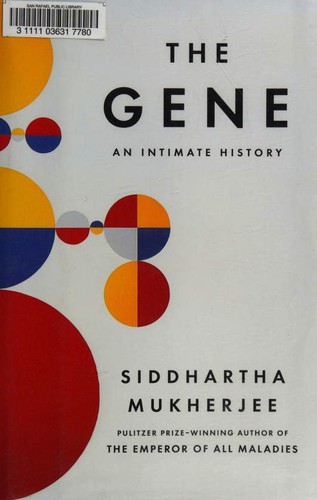
The Gene
Siddhartha Mukherjee, Dennis Boutsikaris
Masterful science storytelling that reveals patterns of discovery applicable to building innovative companies.
-
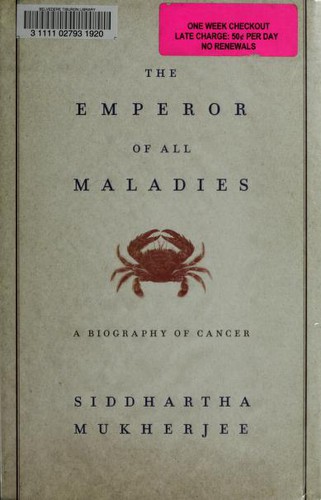
The Emperor of All Maladies
Siddhartha Mukherjee, Nessa Carey
Epic narrative of medical progress that teaches resilience, ethics, and long-term strategic thinking for founders.
-

Bad Blood
John Carreyrou
Gripping tale of Theranos fraud that delivers sharp lessons on due diligence, culture, and ethical leadership.
-
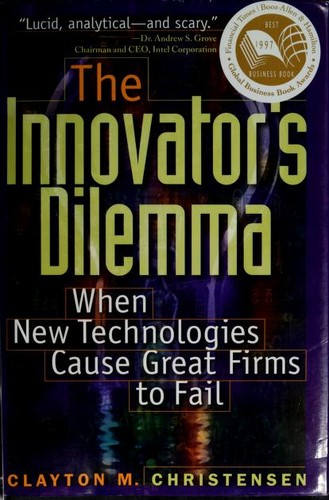
The Innovator's Dilemma
Clayton M. Christensen, L J Ganser
Classic on disruptive innovation that equips leaders with frameworks for navigating market shifts and sustaining growth.
-

Thinking, fast and slow
Daniel Kahneman
Reveals cognitive biases that help founders improve decision-making and avoid common startup pitfalls.
-

Hidden Figures
Margot Lee Shetterly
Inspiring story of overlooked talent that highlights diversity, perseverance, and unlocking team potential.
Founder activity
Nobody has shelved this yet
Be the first founder to add it.