
Book summary
The Entrepreneurial State by Mariana Mazzucato argues that the public sector has been the primary driver of radical innovation and economic growth debunking the myth of a lumbering bureaucratic state versus a nimble innovative private sector. Through case studies in IT biotech nanotech and green tech she shows that governments make the high-risk early investments that private firms later capitalize on with examples like every core technology in the iPhone originating from public funding. Mazzucato contends that the state not only fixes market failures but actively shapes and creates markets sometimes succeeding and sometimes failing yet current policies socialize risks while privatizing rewards. The book calls for reforming this dynamic to foster smart inclusive growth that recognizes and rewards the entrepreneurial role of the state.
Key founder lessons
-
1
State as bold risk-taker
Founders should recognize governments often fund early high-risk tech like the internet and GPS that enabled iPhone, seeking public partnerships.
-
2
Government creates markets
Entrepreneurs must identify and enter markets actively shaped by state investments in biotech, nanotech, and green tech rather than assuming they form independently.
-
3
Risk socialized, rewards privatized
Startup leaders should advocate for fairer reward-sharing mechanisms since public funding bears initial risks while private firms capture most upside.
-
4
Debunk private-sector myth
Founders can leverage the reality that private innovation often follows state courage, building strategies around public R&D as a foundation.
-
5
Inclusive innovation policy
Build ventures that align with policies ensuring growth from state-led innovation benefits society broadly, not just privatized gains.
Grok's review
Important thesis, padded with ideology and repetition.
Mazzucato delivers a necessary corrective to the Silicon Valley myth that heroic lone founders and venture capitalists create everything from scratch; her core point that the state has taken the biggest risks in semiconductors, GPS, the internet, and even key iPhone components is well-evidenced and should be required reading for any founder who believes government is purely an obstacle. The case studies are strong, but the book suffers from significant weaknesses: it feels padded with repetitive arguments, leans heavily on cherry-picked examples while glossing over massive public-sector failures and inefficiencies, and the later chapters veer into prescriptive policy that reads more like academic activism than pragmatic advice. Evidence is sometimes thin or dated (the core research is from ~2013), and the framing often paints the state as a flawless entrepreneurial hero rather than a messy, political actor that also crowds out private investment. For startup founders it's worth the time to understand the real history of innovation, but don't treat it as gospel; pair it with more market-oriented views like those from Acemoglu or Henderson to avoid one-sided thinking.
Best for: Founders seeking historical context on public R&D funding
Similar books
-
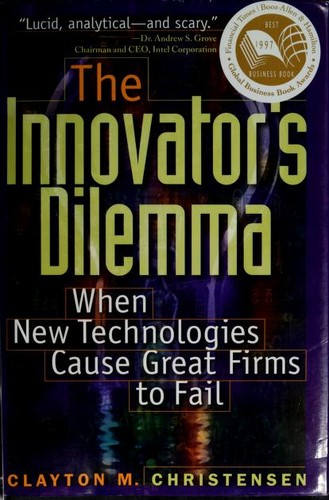
The Innovator's Dilemma
Clayton M. Christensen, L J Ganser
Explains why successful companies fail to innovate, offering lessons on disruption and market strategy.
-
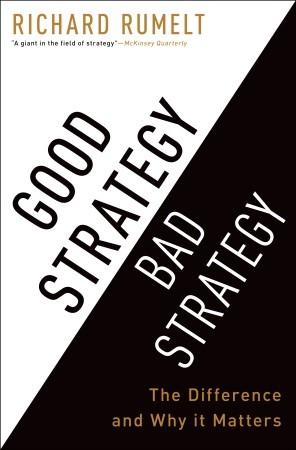
Good Strategy, Bad Strategy
Richard P. Rumelt
Teaches how to craft clear, effective strategies that drive real competitive advantage for startups.
-
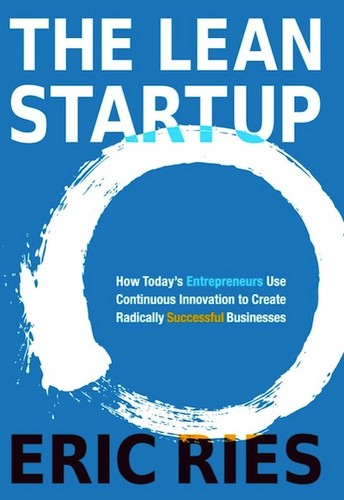
The Lean Startup
Eric Ries
Provides a scientific method for building businesses through validated learning and iteration.
-
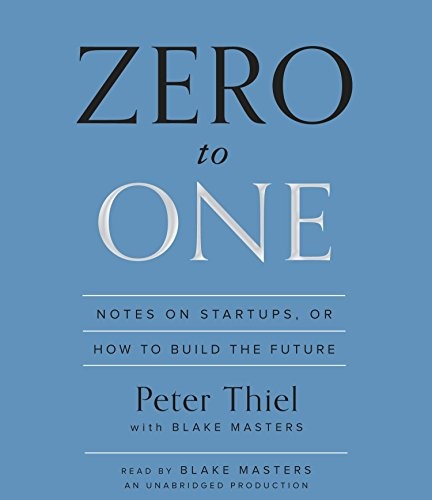
Zero to One
Peter A. Thiel, Blake Masters
Challenges founders to create truly innovative monopolies instead of competing in crowded markets.
-
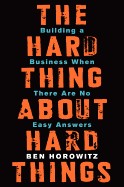
The Hard Thing About Hard Things
Ben Horowitz
Offers raw, practical advice on navigating the toughest challenges in building and leading a company.
-

Thinking, fast and slow
Daniel Kahneman
Reveals cognitive biases that affect decision-making, crucial for better founder judgment and leadership.
Founder activity
Nobody has shelved this yet
Be the first founder to add it.