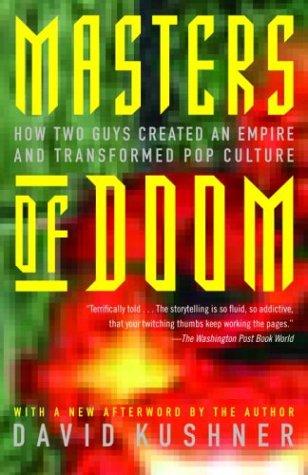
Book summary
Masters of Doom chronicles the rise and fall of John Carmack and John Romero, the brilliant but troubled programmers who co-founded id Software and created the groundbreaking first-person shooters Doom and Quake. Kushner follows the duo from their chaotic, broken-home adolescences through their ascent as gaming industry rock stars who revolutionized technology, graphics engines, and multiplayer culture while embodying the rebellious hacker ethos of the 1990s. The book’s core argument is that their intense friendship and creative synergy fueled an explosive American dream of innovation and wealth, yet the same volatile personalities, egos, and obsession with violence ultimately tore them apart, leaving a lasting imprint on popular culture, from the birth of the Internet gaming boom to debates over media influence on events like Columbine.
Key founder lessons
-
1
Obsess over technical elegance
Carmack's pursuit of elegant code and graphics engines powered id's breakthroughs; founders should prioritize technical excellence as the foundation for defensible products.
-
2
Ship fast, iterate publicly
Romero's push to release early alphas of Doom built a passionate community; apply this by launching MVPs that create evangelists through transparency.
-
3
Build for passionate niches first
Doom targeted hardcore gamers ignored by mainstream, creating a cultural phenomenon; founders should solve intense problems for small, zealous audiences before scaling.
-
4
Culture can fracture under success
The duo's diverging visions on creativity versus engineering led to their bitter split; protect your early partnership by aligning on mission before growth pressures mount.
-
5
Channel personal demons into drive
Both men's troubled upbringings fueled relentless work ethic and world-building; founders can transform personal rage or isolation into the fuel for breakthrough innovation.
Grok's review
Founders will devour this origin myth.
Masters of Doom is the gripping dual biography of John Carmack and John Romero, the unlikely duo who bootstrapped id Software and birthed first-person shooters with Doom and Quake. Kushner captures the bedroom-hacker energy, breakneck coding sprints, and rock-star excess of the early PC game industry with real narrative drive; it's catnip for any founder who romanticizes garage innovation and technical obsession. The book shines on the psychology of brilliant misfits turning rage and isolation into world-changing products, and the painful split between the two Johns is a masterclass in how ego and divergent visions destroy partnerships. Weaknesses include some padding in the later chapters, a tendency to mythologize without deep technical or business scrutiny, and evidence that sometimes leans on colorful anecdotes over rigorous sourcing; it also feels slightly dated in its 2003 perspective on gaming's cultural impact. Still, it's one of the most readable and inspiring founder stories out there.
Best for: Technical founders obsessed with craft and speed
Similar books
-

The Soul of a New Machine
Tracy Kidder
Chronicles a computer engineering team's intense race, highlighting innovation, leadership, and resilience lessons for startups.
-

The Making of Prince of Persia
Jordan Mechner
Journal of game development struggles offers insights on creativity, perseverance, and turning vision into reality.
-

Hard drive
James Wallace
Reveals Gates' drive and strategic decisions that built a tech giant, with key business and leadership takeaways.
-

iWoz
Steve Wozniak, Steve Wozniak
Wozniak's story of invention and Apple founding imparts practical lessons on innovation and engineering excellence.
-
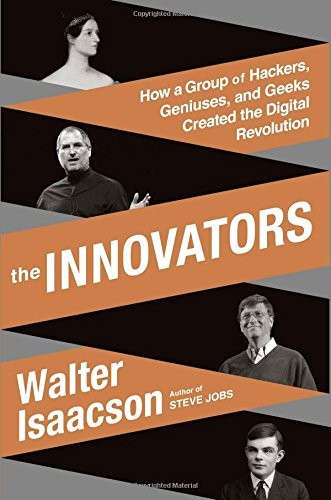
The Innovators
Walter Isaacson, Francisco José Ramos Mena
Explores digital revolution pioneers, blending tech history with profound insights on collaboration and creativity.
-

Coders at Work
Peter Seibel
Interviews with programming legends provide wisdom on problem-solving, focus, and building great software teams.
Founder activity
Nobody has shelved this yet
Be the first founder to add it.