
Book summary
Coders at Work by Peter Seibel is a collection of in-depth interviews with fifteen renowned programmers including Donald Knuth, Ken Thompson, Fran Allen, and Jamie Zawinski. Through candid conversations the book explores how these experts learned to code, their approaches to debugging, code design, and problem-solving, as well as their views on the craft, tools, and evolution of programming. Its core argument is that programming is a deeply human and creative discipline best understood by examining the diverse practices, habits, and philosophies of its most accomplished practitioners rather than through abstract theory alone.
Key founder lessons
-
1
Master your craft through deliberate practice
Founders like Jamie Zawinski emphasize honing programming skills relentlessly, treating code as a craft that improves startup product quality and velocity.
-
2
Simplicity beats premature optimization
Donald Knuth and others stress keeping systems simple first, avoiding complex optimizations until real data demands it, preventing wasted founder effort.
-
3
Build for understanding, not just shipping
Peter Norvig shows that deep comprehension of problems leads to elegant solutions, helping founders create sustainable tech advantages over rushed MVPs.
-
4
Learn from failures without ego
Interviews reveal programmers like Brad Fitzpatrick owning past mistakes openly, teaching founders to iterate faster by removing personal defense in tech decisions.
-
5
Context shapes effective tools and methods
Guy Steele highlights how programming paradigms evolve with hardware and problems, urging founders to choose languages and architectures aligned to their specific startup challenges.
Grok's review
Insightful but padded programmer nostalgia.
Coders at Work is a series of long, meandering interviews with programming legends like Jamie Zawinski, Donald Knuth, and L Peter Deutsch. What works is the candid war stories and glimpses into how great coders actually think about debugging, code aesthetics, and system design—stuff that still resonates with technical founders. What doesn't is the massive padding, repetitive questions, and dated 2009-era context that feels increasingly irrelevant in today's AI-augmented startup world. The evidence is anecdotal at best; it's more fireside chat than rigorous analysis. Worth skimming for the gems if you're deeply technical, but most startup founders will find it a slog with diminishing returns after the first few interviews.
Best for: Technical founders who love hacker lore
Similar books
-

The Making of Prince of Persia
Jordan Mechner
Journal offers raw insights into creative problem-solving, iteration, and building a game studio.
-
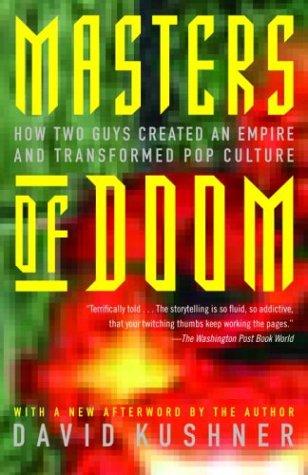
Masters of Doom
David Kushner
Chronicles the intense collaboration and technical drive behind id Software's success.
-

The Soul of a New Machine
Tracy Kidder
Reveals the human drama, engineering grit, and leadership in creating a breakthrough computer.
-

High Output Management
Andrew S. Grove
Timeless principles on scaling teams, meetings, and decision-making from Intel's legendary CEO.
-
The Hard Thing About Hard Things
Ben Horowitz
Candid lessons on navigating crises, hiring, and leading through the brutal realities of startups.
-

Thinking, fast and slow
Daniel Kahneman
Illuminates cognitive biases to improve founder decision-making and team dynamics.
Founder activity
Nobody has shelved this yet
Be the first founder to add it.