
Book summary
1984 by George Orwell is a dystopian novel set in a totalitarian future where the Party led by Big Brother exercises absolute control over every aspect of life through constant surveillance, propaganda, and the manipulation of language and history. The story follows Winston Smith, a low-ranking Party member who secretly rebels by pursuing a forbidden love affair and questioning the regime's endless rewriting of truth. The core argument warns of the dangers of authoritarianism, the fragility of individual freedom, and how power can corrupt reality itself when language, memory, and thought are systematically policed.
Key founder lessons
-
1
Surveillance erodes autonomy
Founders must build privacy-by-design products to prevent user data from enabling total control by governments or corporations.
-
2
Language shapes thought
Craft precise company narratives and avoid euphemisms that obscure truth in internal comms and marketing.
-
3
History is rewritten daily
Document decisions transparently and maintain immutable records to counter revisionist narratives in fast-moving startups.
-
4
Doublethink destroys judgment
Train teams to confront contradictions head-on rather than accepting conflicting KPIs or strategies as normal.
-
5
Power seeks permanence
Design governance and equity structures that prevent any single founder or investor from achieving unaccountable control.
Grok's review
Timeless warning on surveillance and truth that every founder should absorb.
Orwell's 1984 remains a chilling masterpiece on totalitarianism, language as power, and the fragility of objective truth—ideas that feel eerily prescient in an era of platform algorithms, data monopolies, and 'alternative facts' that startup founders navigate daily. The graphic novel adaptation by Xavier Coste captures the atmosphere effectively with stark visuals, making it more accessible without diluting the core punch. Weaknesses include some padding in the original's middle sections with lengthy expositions on Newspeak and the appendix that can feel dated in prose style, plus the 'thin evidence' critique applies more to its fictional nature than empirical social science. Still, it's worth every founder's time as a reminder that building tools for connection or information can easily slide into control if unchecked.
Best for: Founders building in AI, media, or data-heavy spaces
Similar books
-
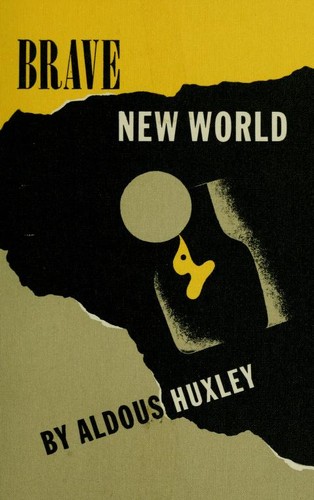
Brave New World
Aldous Huxley
Dystopian critique of consumerism and control offers lessons on innovation, society, and ethical leadership in building companies.
-

The Fountainhead
Ayn Rand
Explores individualism and integrity, providing insights on visionary leadership and resisting conformity in startups.
-

Thinking, fast and slow
Daniel Kahneman
Reveals cognitive biases essential for better decision-making and strategy in business and investing.
-

The Psychology of Money
Morgan Housel
Timeless lessons on behavior, risk, and wealth-building that guide founder mindset and long-term success.
-
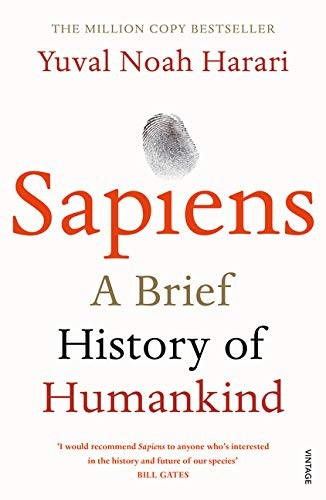
Sapiens
Yuval Noah Harari
Examines human history and cooperation, offering profound insights for scaling teams and understanding markets.
-
Man's Search for Meaning : An Introduction to Logotherapy
Viktor Emil Frankl
Resilience and purpose in adversity teach mental toughness crucial for navigating startup challenges.
Founder activity
Nobody has shelved this yet
Be the first founder to add it.