
Book summary
The Fountainhead follows the life of Howard Roark an innovative and uncompromising architect who refuses to conform to popular tastes or compromise his artistic vision despite facing professional rejection poverty and legal battles. Through Roark and a cast of characters who either support or oppose his individualism the novel explores the conflict between independent creators and a society that demands altruism and collectivism. Ayn Rand's core argument is a passionate defense of egoism and rational self-interest portraying the heroic individual who lives for his own values as the true source of human progress and moral greatness.
Key founder lessons
-
1
Embrace uncompromising integrity
Like Howard Roark, reject societal pressures and stay true to your vision, even if it means losing clients or facing rejection.
-
2
Create for your own standards
Build products driven by personal excellence and innovation, not market trends or competitor imitation, as Roark designs purely for himself.
-
3
Reject second-handers and looters
Avoid dependence on others' approval or parasitic exploitation; focus on self-reliant value creation without seeking unearned praise.
-
4
Value reason over emotion
Make decisions based on rational principles and objective reality, ignoring emotional appeals or collective whims that derail startup focus.
-
5
Pursue egoism as virtue
Prioritize rational self-interest to fuel bold ambition, recognizing that your success benefits the world more than altruistic compromises.
Grok's review
Overlong ode to individualism that founders misquote.
The Fountainhead is a gripping character study of uncompromising creator Howard Roark, whose refusal to compromise on his architectural vision delivers some of the most quotable paeans to integrity and first-principles thinking you'll ever read. For startup founders it can feel like a rallying cry against committee-designed products and VC pressure to pivot into mediocrity. But the novel is fatally padded with repetitive speeches, wooden dialogue, and a romantic subplot that feels like it was written by someone who never met an actual human. Its dated, almost Nietzschean worship of the lone genius without much empirical grounding or nuance about collaboration, markets, or execution makes it feel more like 1930s romanticism than practical advice for 21st-century builders. Worth skimming for the big ideas if you haven't, but don't treat it as operating manual.
Best for: Founders wrestling with integrity vs. compromise
Similar books
-

Atlas shrugged
Anne Williams
Epic tale of innovators fighting collectivism; inspires relentless pursuit of vision and integrity in building companies.
-

The Rational Optimist
Matt Ridley
Shows how trade and ideas drive progress; equips founders with optimism and strategic thinking for scaling ventures.
-
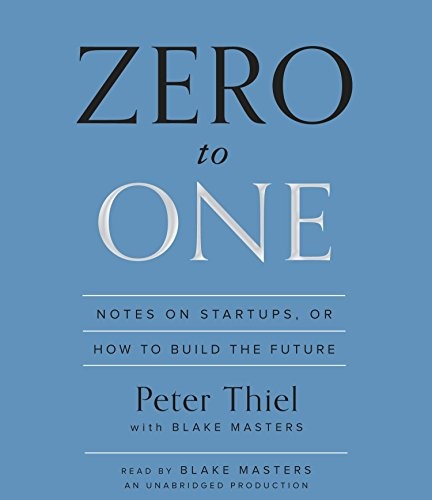
Zero to One
Peter A. Thiel, Blake Masters
Masterclass in creating monopoly value; echoes Rand's individualism with practical startup innovation lessons.
-
The Hard Thing About Hard Things
Ben Horowitz
Raw lessons on leadership and tough decisions; builds resilience for founders facing real-world adversity.
-
Man's Search for Meaning : An Introduction to Logotherapy
Viktor Emil Frankl
Profound on purpose and inner strength; fuels the drive and moral clarity needed to lead through crises.
-
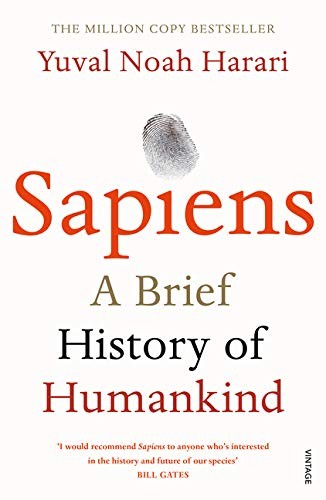
Sapiens
Yuval Noah Harari
Reveals how myths and cooperation shape society; offers big-picture insights for building influential companies.
Founder activity
Nobody has shelved this yet
Be the first founder to add it.