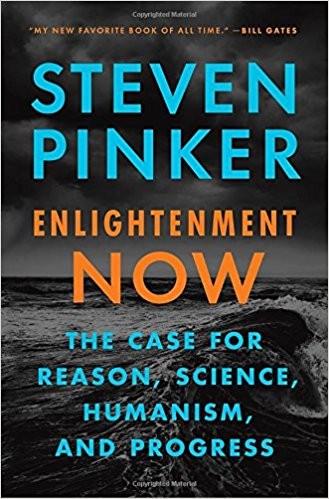
Book summary
Enlightenment Now by Steven Pinker argues that despite pervasive media narratives of doom the world has been steadily improving across virtually every measurable dimension of human well-being. Using seventy-five graphs of long-term data Pinker demonstrates that life expectancy, health, prosperity, safety, peace, knowledge, and happiness have all risen dramatically worldwide not by accident but as the direct result of applying reason, science, and humanistic values. The book positions the Enlightenment as an ongoing project that must be vigorously defended against tribalism, authoritarianism, magical thinking, and ideological resistance that threaten liberal democracy and global cooperation. Its core argument is that embracing evidence-based optimism and the ideals of reason and humanism is essential for confronting remaining problems and sustaining further progress.
Key founder lessons
-
1
Data beats headlines for optimism
Track objective metrics on health, wealth, and safety to counter media-driven pessimism and maintain founder resilience.
-
2
Reason and science drive progress
Apply empirical testing and logical analysis to product development and business decisions, rejecting unproven assumptions.
-
3
Enlightenment values fuel innovation
Embrace humanism and open inquiry to build inclusive teams and solutions that genuinely improve human flourishing.
-
4
Fight tribalism in decision-making
Actively seek disconfirming evidence and diverse viewpoints to avoid echo chambers that doom startup strategies.
-
5
Defend institutions for long-term gains
Support liberal democracy and global cooperation as they create the stable environment startups need to scale and thrive.
Grok's review
Data-rich optimism that gets padded and preachy.
Pinker assembles an impressive array of graphs and long-term trends showing massive improvements in health, wealth, peace, and happiness—exactly the kind of anti-doom porn startup founders need when markets tank or headlines scream apocalypse. The core argument that Enlightenment values (reason, science, humanism) drive progress is compelling and well-supported by evidence. But the book is bloated: it repeats points endlessly, veers into culture-war skirmishes with thin evidence, and feels dated already on topics like inequality, AI risks, and political polarization that have intensified since 2018. It's less a tight business case and more a 500-page polemic that could have been half as long.
Best for: Optimism-seeking founders battling negativity bias
Similar books
-
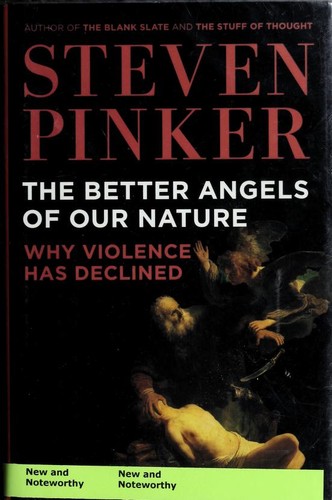
The better angels of our nature
Steven Pinker
Builds on Enlightenment Now with data-driven optimism on declining violence, teaching founders about long-term trends and rational decision-making.
-
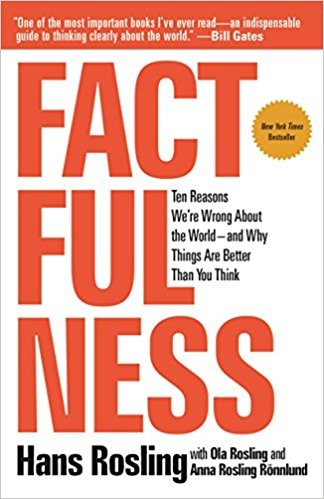
Factfulness
Hans Rosling, Ola Rosling
Data-backed view of global progress mirrors Pinker's style, helping founders avoid negativity bias in strategy and opportunity spotting.
-

Atomic Habits
James Clear
Practical system for building productive routines, essential for founders seeking consistent execution and personal growth.
-

Thinking, fast and slow
Daniel Kahneman
Reveals cognitive biases affecting decisions, equipping founders with tools for better judgment in business and leadership.
-

Range
David J. Epstein
Argues for generalist skills over specialization, offering career lessons for adaptable founders in uncertain environments.
-
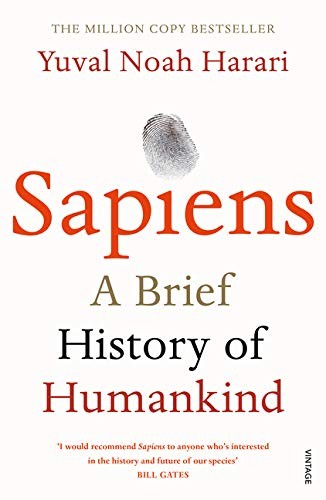
Sapiens
Yuval Noah Harari
Sweeping history of humanity with big ideas on progress, providing strategic perspective for building enduring companies.
Founder activity
Nobody has shelved this yet
Be the first founder to add it.