
Book summary
Dark Pools by Scott Patterson chronicles the rise of high-frequency trading (HFT) and the secretive electronic trading venues known as dark pools that emerged in the early 2000s. The book follows key figures such as mathematician Jim Simons of Renaissance Technologies, the secretive “flash boys” who built ultra-fast algorithms, and regulators struggling to keep pace with rapidly evolving markets. Its core argument is that these technological innovations, while boosting speed and efficiency, have made markets more fragmented, opaque, and prone to manipulation, ultimately undermining the fairness and stability of the public stock exchanges. Patterson warns that the arms race in microseconds has turned trading into a technological war that favors insiders at the expense of ordinary investors.
Key founder lessons
-
1
High-frequency trading arms race
Founders must relentlessly invest in speed and tech infrastructure to outpace competitors, as HFT firms did in dark pools.
-
2
Exploit market structure gaps
Identify and capitalize on regulatory or technical loopholes before they close, mirroring how traders built dark pools to avoid public exchanges.
-
3
Data is the ultimate weapon
Aggregate and analyze every bit of market data for unfair advantages, just as quant funds used order flow to dominate trading.
-
4
Secrecy beats transparency
Protect proprietary strategies fiercely; dark pool operators succeeded by shielding algorithms from public scrutiny and rivals.
-
5
Regulations lag innovation
Move fast and build ahead of rules, as early HFT pioneers did, but prepare for eventual crackdowns that reshape the game.
Grok's review
Compelling HFT origin story, but padded and now dated.
Dark Pools delivers a gripping narrative of how secretive high-frequency trading firms and dark pools emerged in the 2000s, turning markets into a high-stakes tech arms race. Patterson's storytelling shines when profiling quirky quants and the arms race for speed, offering founders a visceral sense of how technology rewires entire industries overnight. However, the book suffers from repetition and padding to stretch the material, some evidence feels thin or anecdotal, and many of its 'shocking' revelations about market structure feel quaint in 2024 given subsequent regulations and the rise of retail trading apps. It's still worth a founder's time for the lessons on technological disruption, information asymmetry, and the blurred line between innovation and predation in finance.
Best for: Founders building in fintech or studying market microstructure.
Similar books
-
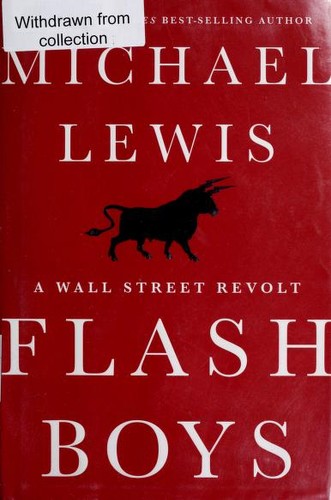
Flash Boys
Michael Lewis
Reveals high-frequency trading secrets, teaching founders about market dynamics and ethical tech innovation.
-

The big short
Michael Lewis, Francisco José Ramos Mena
Uncovers financial crisis mechanics, offering lessons on spotting opportunities and risk in complex systems.
-

Liar's Poker
Michael Lewis, Blanca Ribera de Madariaga
Insider view of Wall Street culture, highlighting sales, competition, and decision-making under pressure.
-

Fooled by randomness
Nassim Nicholas Taleb
Explores luck versus skill in markets, sharpening founder judgment on uncertainty and strategy.
-

The Quants
Scott Patterson
Chronicles math whizzes conquering finance, showing power of data-driven models for business edges.
-

A Man for All Markets
Edward O. Thorp
Pioneer's journey from gambling to investing, inspiring quantitative thinking and career resilience.
Founder activity
Nobody has shelved this yet
Be the first founder to add it.