
Book summary
Running Lean by Ash Maurya is a practical guide to building scalable startups using a systematic, metrics-driven approach that emphasizes rapid experimentation over traditional business planning. It builds on the Lean Startup methodology by providing a step-by-step playbook for validating ideas through customer development, creating a one-page lean canvas to map business models, and iterating via continuous testing of risky assumptions. The core argument is that most startups fail from building products nobody wants, so entrepreneurs should focus on finding a problem worth solving, engaging customers early, and using actionable metrics to achieve product-market fit before scaling.
Key founder lessons
-
1
Iterate the Lean Canvas
Map your startup assumptions on a one-page Lean Canvas and update it continuously as you validate or invalidate each block with evidence.
-
2
Test Problem Before Solution
Interview customers to confirm they have the problem and care enough to pay before investing time in building the solution.
-
3
Get to Problem/Solution Fit
Achieve problem/solution fit by iterating the MVP until you have a solution that matches documented customer problems.
-
4
Measure Traction with Actionable Metrics
Track only metrics that tie directly to customer behavior and progress toward product/market fit, avoiding vanity metrics.
-
5
Pivot or Persevere with Evidence
Use validated learning from experiments to decide whether to pivot the model or persevere, avoiding subjective opinions.
Grok's review
Still useful but increasingly dated Lean Canvas bible.
Running Lean is the clearest, most practical distillation of the Lean Startup methodology ever written for solo founders and small teams. Maurya's Lean Canvas is genuinely brilliant—replacing the bloated Business Model Canvas with something that forces you to confront your riskiest assumptions first—and the step-by-step process for problem interviews, solution tests, and traction metrics remains valuable. That said, it's padded with repetitive templates and checklists, the evidence is mostly anecdotal from Maurya's own modest exits, and many of the tactics now feel dated in a world of no-code tools, AI, and continuous product discovery that has moved beyond the 2012-era assumptions. The core discipline of ruthless prioritization and rapid experimentation is timeless, but the book itself hasn't aged as gracefully as the methodology it popularized.
Best for: Technical founders building their first product
Similar books
-
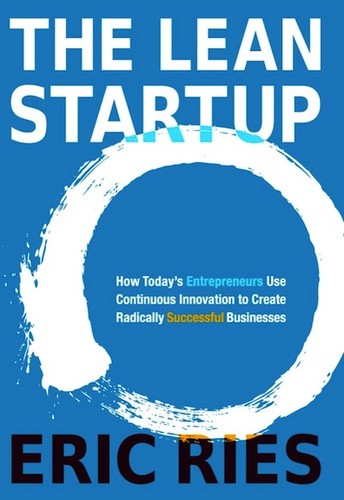
The Lean Startup
Eric Ries
Teaches iterative product development and validated learning for building scalable startups.
-

The mom test
Rob Fitzpatrick
Master customer interviews to validate ideas without bias and build what people truly want.
-
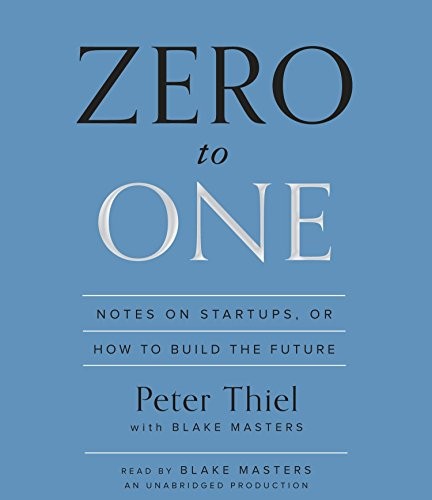
Zero to One
Peter A. Thiel, Blake Masters
Challenges founders to create innovative monopolies instead of competing in crowded markets.
-

High Output Management
Andrew S. Grove
Essential frameworks for scaling operations, teams, and decision-making in growing companies.
-

Inspired
Marty Cagan
Practical guide to building great products through empowered teams and customer focus.
-

Traction
Gino Wickman
Provides a proven system for gaining control and scaling your business operations.
Founder activity
Nobody has shelved this yet
Be the first founder to add it.