
Book summary
Business Model Generation by Alexander Osterwalder and Yves Pigneur is a practical handbook that introduces the Business Model Canvas, a visual one-page framework for describing, analyzing, and designing business models. It breaks down any business model into nine building blocks covering customer segments, value propositions, channels, customer relationships, revenue streams, key resources, key activities, key partnerships, and cost structure. The book guides readers through techniques for generating, assessing, and iterating on innovative models while sharing real-world examples and patterns from successful companies. Its core argument is that systematic visual thinking and collaborative design processes enable organizations of any size to reinvent how they create, deliver, and capture value in a rapidly changing environment.
Key founder lessons
-
1
Master the Business Model Canvas
Visualize your entire business on one page using the 9 building blocks to see interconnections and iterate quickly.
-
2
Prioritize Customer Segments
Define specific customer segments first, then align value propositions and channels exclusively to serve them profitably.
-
3
Design Innovative Revenue Streams
Experiment with multiple revenue models like freemium, subscriptions, or licensing that fit your customer relationships and cost structure.
-
4
Map Key Resources and Activities
Identify the essential assets, partnerships, and processes required to deliver your value proposition and maintain competitive advantage.
-
5
Prototype Multiple Business Models
Generate and test alternative canvases to explore options, reduce risk, and pivot before committing resources.
Grok's review
Useful toolkit, but bloated and shallow on execution.
The book popularized the Business Model Canvas, which remains a genuinely helpful one-page thinking tool for quickly mapping out customer segments, value propositions, channels, revenue streams, and cost structures. It's visually strong and collaborative, making it a staple in startup workshops. However, it's padded with repetitive diagrams, stock photos, and workshop-style filler that could have been a 30-page pamphlet. Many of the examples feel dated now (pre-2010 companies and ideas), the evidence is mostly anecdotal rather than rigorous, and it stays too high-level on strategy without deep guidance on testing, iteration, or what to do once the canvas is filled. Worth skimming for the core framework if you've never seen it, but don't treat it as gospel or a complete methodology.
Best for: Early-stage founders needing a quick business mapping tool.
Similar books
-
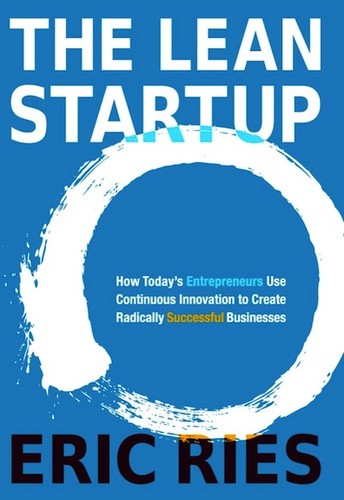
The Lean Startup
Eric Ries
Teaches validated learning and iterative product development for building scalable businesses.
-

Value proposition design
Alexander Osterwalder
Complements the Business Model Canvas by deeply focusing on customer jobs, pains, and gains.
-

Running lean
Ash Maurya
Practical step-by-step guide to iterating from idea to product-market fit using lean principles.
-

The mom test
Rob Fitzpatrick
Essential techniques for customer interviews that avoid biased feedback and reveal real needs.
-
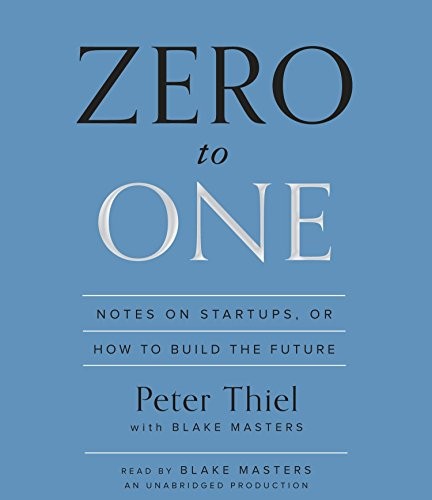
Zero to One
Peter A. Thiel, Blake Masters
Challenges founders to create true innovation and monopoly-like businesses instead of copying.
-

High Output Management
Andrew S. Grove
Timeless lessons on management, decision-making, and scaling teams from Intel's legendary CEO.
Founder activity
Nobody has shelved this yet
Be the first founder to add it.