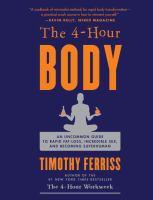
Book summary
The 4-Hour Body is a practical guide to biohacking the human body for rapid fat loss, muscle gain, improved sex, better sleep, and injury prevention. Drawing on experiments, elite athletes, doctors, and extensive personal testing, Tim Ferriss identifies the minimal effective doses and counterintuitive techniques that deliver outsized results in physical transformation. Core argument is that tiny, targeted changes in diet, exercise, supplementation, and recovery protocols can produce dramatic, measurable improvements far more efficiently than conventional wisdom suggests. The book offers specific protocols for goals like losing fat without exercise, gaining muscle in minutes per day, and enhancing sexual performance.
Key founder lessons
-
1
Minimum Effective Dose for Efficiency
Founders should identify the smallest input yielding 80% of results in any process, like Ferriss's 80/20 body hacks, to optimize time and resources.
-
2
Track and Measure Relentlessly
Use data-driven experimentation like Ferriss's body logs to test startup hypotheses and iterate based on quantifiable outcomes rather than assumptions.
-
3
Hack Recovery for Sustained Output
Prioritize short, targeted recovery methods from the book, such as ice baths, to maintain founder stamina and avoid burnout during intense growth phases.
-
4
Protein and Timing for Momentum
Apply Ferriss's slow-carb rules and meal timing to fuel consistent energy, ensuring founders stay sharp for high-stakes decisions and long work sprints.
-
5
Experiment with One Variable
Isolate single changes in products or habits as Ferriss did with body tests, allowing founders to validate ideas quickly without confounding factors.
Grok's review
Entertaining hacks, but bloated and under-evidenced.
The 4-Hour Body is classic Ferriss: a sprawling, anecdote-heavy manual that promises maximal results from minimal effort across fat loss, muscle gain, sleep, sex, and injury recovery. What works is the relentless experimentation mindset—tracking, testing, iterating—which mirrors the data-driven approach many founders already apply to their startups. The best sections (like the slow-carb diet and kettlebell basics) deliver simple, actionable protocols that have legitimately helped people. What doesn't work is the padding: the book is easily 150 pages too long with repetitive stories, name-dropping, and marginalia that feel like filler from a decade of blog posts. Many 'hacks' rest on thin evidence, cherry-picked studies, or n=1 experiments that haven't aged well; some advice (especially on hormones and supplements) feels dated or even reckless in 2024. For founders it's a mixed bag—useful if you treat it as a source of ideas to validate yourself, dangerous if swallowed whole.
Best for: Biohacking-curious founders who can filter noise
Similar books
-

The 4-Hour Workweek
Timothy Ferriss
Ferriss's blueprint for lifestyle design, automation, and escaping the 9-5 directly inspires efficient startup building.
-

Atomic Habits
James Clear
Practical systems for building high-performance habits that boost founder productivity and discipline.
-
Deep Work
Cal Newport
Teaches focused, distraction-free work essential for deep thinking and rapid startup progress.
-
The Lean Startup
Eric Ries
Scientific method for building and scaling startups with minimal waste and maximum learning.
-

Tools of Titans
Timothy Ferriss
Distills habits and tactics from world-class performers to accelerate personal and business growth.
-

Antifragile
Nassim Nicholas Taleb, Genís Sánchez Barberán
Reveals how to thrive in volatility and uncertainty, vital for resilient company building.
Founder activity
Nobody has shelved this yet
Be the first founder to add it.