
Book summary
The Autobiography of Andrew Carnegie recounts the industrialist's journey from humble origins in a poor Scottish family to becoming one of America's wealthiest steel magnates through relentless ambition, innovative business practices, and strategic partnerships. Carnegie details his early work in telegraphy and railroads, the building of his vast Carnegie Steel Company, and his philosophy that success stems from hard work, frugality, and continuous self-education while advocating that the rich have a moral duty to use their fortunes for the public good. The book offers firsthand observations of 19th-century American life, key historical events like the Civil War, and encounters with figures such as Abraham Lincoln and Mark Twain. Its core argument promotes the "Gospel of Wealth," urging millionaires to administer their riches during their lifetimes for societal benefit rather than hoarding or leaving them as inheritances.
Key founder lessons
-
1
Adopt ruthless cost-cutting
Carnegie obsessively tracked every expense in his steel mills, driving efficiency that let him undercut competitors and dominate the market.
-
2
Scale through vertical integration
He controlled every step from coke ovens and iron ore mines to railroads and steel mills, slashing costs and ensuring supply chain reliability.
-
3
Hire and trust talented managers
Carnegie delegated daily operations to partners like Henry Clay Frick and Charles Schwab, focusing himself on strategy and capital allocation.
-
4
Sell at the peak
In 1901 he sold Carnegie Steel to J.P. Morgan for $480 million, timing the exit perfectly before the industry faced overcapacity.
-
5
Give wealth away systematically
He distributed nearly all his fortune through libraries, universities, and foundations, believing the rich must administer surplus for public good.
Grok's review
Valuable Gilded Age origin story, but padded and preachy.
Carnegie's autobiography is a genuine window into the mind of a ruthless yet reflective empire-builder who went from Scottish bobbin boy to steel titan and then the world's most aggressive philanthropist. The early chapters on poverty, self-education through libraries, and the telegraph office are pure gold for any founder obsessed with first-principles hustle and compounding advantage. His portraits of Lincoln, Grant, and the railroad barons feel vivid and historically juicy. However, the book sags badly under repetitive moralizing, self-justifying defenses of his labor practices (Homestead gets soft-pedaled), and long digressions that read like Victorian padding. The 'Gospel of Wealth' ideas that made him famous are presented here in raw form, but they feel both dated and selectively applied given how he accumulated the fortune. Still worth reading once for serious students of American business history, though far less efficient than a tight modern biography.
Best for: Founders studying 19th-century empire builders and philanthropy.
Similar books
-

My life and work
Ford, Henry, Henry Ford
Autobiography of an industrial titan revealing relentless innovation, efficiency, and scaling principles.
-

Titan
Ron Chernow
Definitive biography of John D. Rockefeller showing empire-building, strategy, and philanthropy lessons.
-

Shoe Dog
Phil Knight
Nike founder's candid memoir packed with startup grit, sales hustle, and global scaling insights.
-
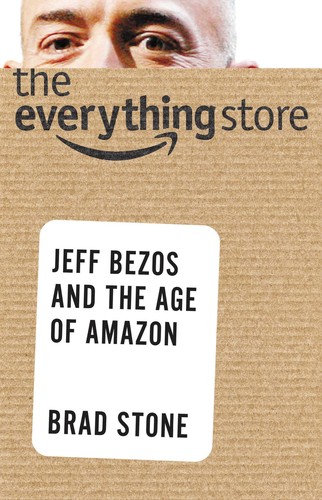
The Everything Store
Brad Stone, Brad Stone
Reveals Jeff Bezos's customer obsession, long-term thinking, and relentless execution at Amazon.
-

Hard drive
James Wallace
Story of Bill Gates and Microsoft highlights ferocious competition, vision, and building a tech empire.
-

How to Win Friends and Influence People
Dale Carnegie
Timeless principles of human relations and persuasion essential for leadership and deal-making.
Founder activity
Nobody has shelved this yet
Be the first founder to add it.