
Book summary
How to Win Friends and Influence People by Dale Carnegie is a practical self-help guide that teaches readers how to build genuine relationships, win people over, and become more influential in both personal and professional life through simple behavioral changes. The core argument is that success depends far more on interpersonal skills than on technical knowledge, and that the most effective way to influence others is by showing sincere appreciation, avoiding criticism, becoming genuinely interested in them, and making them feel important. Carnegie organizes the advice into four main principles—fundamental techniques for handling people, ways to make people like you, how to win people to your way of thinking, and how to change people without arousing resentment—each illustrated with real-life stories and examples. The book ultimately promotes empathy, positivity, and respect as the foundations of lasting influence and personal achievement.
Key founder lessons
-
1
Become genuinely interested in others
Founders build loyal teams and customers by asking questions and listening intently to understand their motivations and needs.
-
2
Smile and give honest appreciation
A founder uses smiles in meetings and specific praise to make early employees feel valued, boosting morale and retention.
-
3
Remember and use people's names
Founders personalize investor pitches and customer calls by using names, creating instant rapport and memorability.
-
4
Let others feel ownership of ideas
A founder presents product direction as team suggestions, letting engineers claim the ideas to increase buy-in and innovation.
-
5
Avoid arguments and criticism
Founders sidestep cofounder disputes by finding common ground first, preserving relationships and speeding decisions.
Grok's review
Timeless social hacks, padded with 1930s filler.
The core principles—smile, remember names, make the other person feel important—are gold for founders who need to sell, hire, fundraise, or just stop alienating their team. Carnegie nails human psychology in a way that still works in boardrooms and pitch meetings today. But the book is bloated with repetitive anecdotes from a bygone era, thin on real evidence beyond 'my students told me it worked,' and some advice feels manipulative or overly saccharine for modern startup cynicism. It's worth skimming once, but don't treat it like a bible; the best founders internalize the spirit and then adapt ruthlessly to today's blunt, high-context environments.
Best for: Founders weak at people skills or networking
Similar books
-
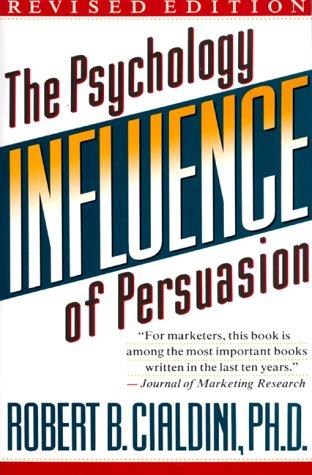
Influence
Robert B. Cialdini
Master the science of why people say yes, enhancing your sales, negotiation, and leadership skills.
-
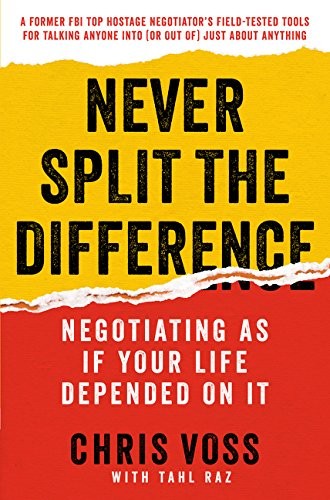
Never Split the Difference
Chris Voss, Tahl Raz
Learn FBI hostage negotiation tactics to master high-stakes business deals and influence.
-

The charisma myth
Olivia Fox Cabane, Olivia Cabane
Discover practical techniques to boost personal magnetism and build stronger professional relationships.
-

Crucial Conversations
Kerry Patterson, Joseph Grenny
Master tools for handling high-stakes discussions to improve team alignment and decision-making.
-

Thinking, fast and slow
Daniel Kahneman
Understand cognitive biases to make better decisions in hiring, strategy, and customer interactions.
Founder activity
Nobody has shelved this yet
Be the first founder to add it.