
Book summary
The Business of Venture Capital by Mahendra Ramsinghani is a comprehensive guide to the venture capital industry that explores how VCs source, evaluate, invest in, and manage high-risk startup opportunities. It details the entire VC lifecycle from fund formation and deal sourcing through due diligence, term sheets, portfolio management, and eventual exits, while also covering the psychology, incentives, and decision-making frameworks that drive the industry. The core argument is that successful venture capital is both an art and a science requiring deep domain knowledge, rigorous analytical processes, strong network effects, and emotional intelligence to navigate extreme uncertainty while generating outsized returns for limited partners. The book serves as both a practical manual for aspiring VCs and a reference for entrepreneurs seeking to understand their investors.
Key founder lessons
-
1
Master the VC Partnership Structure
Founders should understand carried interest, management fees, and GP/LP dynamics to better negotiate terms and align incentives with investors.
-
2
Evaluate VC Track Records Critically
Assess a VC's past investments, follow-on rates, and true IRR to select partners who add value beyond capital.
-
3
Nail the Due Diligence Process
Prepare for rigorous reference checks, customer calls, and financial scrutiny by anticipating what VCs probe in high-stakes deals.
-
4
Understand Term Sheet Nuances
Focus on liquidation preferences, anti-dilution, and board control clauses that can dramatically impact founder outcomes in exits.
-
5
Build Long-Term VC Relationships
Cultivate trust through transparency and consistent communication, recognizing that VCs invest in founders for multiple rounds and future ventures.
Grok's review
Solid VC 101 but padded and dated in 2024.
Ramsinghani delivers a comprehensive overview of how venture capital actually works—from fund mechanics and term sheets to LP dynamics and decision psychology—which many first-time founders find eye-opening. The candid chapters on power dynamics, negotiation leverage, and what VCs really optimize for cut through the usual industry gloss. However, the book is bloated with repetitive anecdotes, long lists, and filler interviews that could have been cut by a third; many examples and data points now feel dated post-2021 market shifts, and the evidence is often thin (one-off stories rather than rigorous patterns). It's still worth the time if you're new to the game and want the unvarnished mechanics, but experienced founders or anyone seeking cutting-edge strategy will find it too basic and in need of a serious update.
Best for: First-time founders raising their initial VC round.
Similar books
-

Venture deals
Brad Feld
Demystifies term sheets, negotiations, and VC processes with practical insights for founders.
-

The masters of private equity and venture capital
Robert A. Finkel
Profiles top investors and reveals strategies for building successful venture firms and portfolios.
-

Secrets of Sand Hill Road
Scott Kupor, Eric Ries
Offers insider VC perspectives on fundraising, board dynamics, and scaling startups effectively.
-
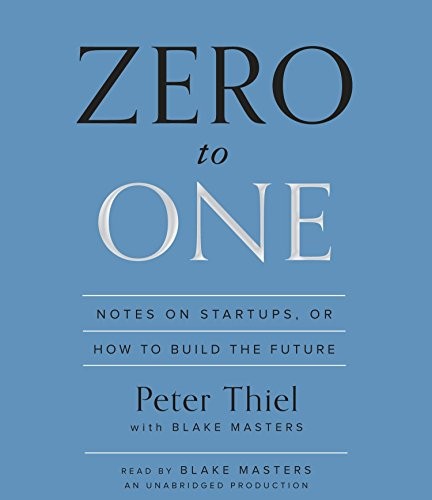
Zero to One
Peter A. Thiel, Blake Masters
Challenges conventional thinking on innovation, monopoly building, and creating breakthrough companies.
-
The Hard Thing About Hard Things
Ben Horowitz
Raw lessons on leadership, decision-making, and navigating crises as a CEO.
-

Blitzscaling
Reid Hoffman
Explains rapid scaling strategies, prioritizing speed over efficiency in hypergrowth ventures.
Founder activity
Nobody has shelved this yet
Be the first founder to add it.