
Book summary
Competing on Analytics by Thomas H. Davenport and Jeanne Harris explains how leading companies are building competitive advantage through sophisticated use of data analytics rather than relying on intuition or simple reporting. The core argument is that analytics have become a strategic capability that differentiates high-performing organizations by enabling better decision-making across all functions from customer relationship management to supply chain optimization and talent management. The book outlines a maturity model for analytical capabilities shows how to develop an analytics-driven culture and details the people technology and processes required to compete on analytics. It provides frameworks and real-world examples demonstrating that analytical competitors don't just collect data they systematically turn it into actionable insights that drive measurable business performance.
Key founder lessons
-
1
Build an analytics-driven culture
Founders must foster organization-wide data literacy and fact-based decision making as emphasized throughout the book.
-
2
Create a distinctive analytics capability
Develop unique, hard-to-replicate analytics processes that become a core competitive advantage, per the book's central thesis.
-
3
Invest in analytics talent and technology
Prioritize hiring analytical professionals and deploying enterprise-level tools to scale data initiatives effectively.
-
4
Focus on high-impact business problems
Target analytics efforts at specific, high-value opportunities like pricing, supply chain, or customer segmentation for measurable ROI.
-
5
Evolve from reporting to prescriptive analytics
Progress from basic data reporting through predictive modeling to automated, prescriptive recommendations that drive real-time actions.
Grok's review
Solid foundation, but dated and padded for startups.
Competing on Analytics was groundbreaking when it landed in 2007, making the case that data-driven decision making could become a true competitive advantage rather than a nice-to-have. Davenport and Harris lay out frameworks, organizational structures, and examples that still make sense today, especially the distinction between analytics for insight versus analytics for action. The weaknesses are real: it's padded with repetitive case studies, many of the examples now feel quaint (pre-mobile, pre-cloud, pre-AI), and the evidence is mostly anecdotal success stories from big enterprises rather than rigorous proof. For today's founder it's worth skimming for the core ideas on building an analytics culture, but you'll get more current value from shorter articles or newer books that incorporate machine learning and real-time data.
Best for: Founders building data moats in established markets
Similar books
-
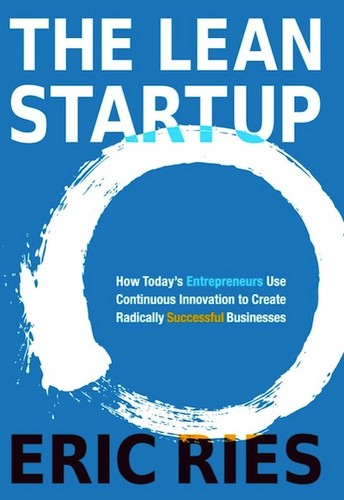
The Lean Startup
Eric Ries
Teaches data-driven iteration and experimentation essential for building analytics-focused companies.
-

Big Data
Mouad Radi
Explores how big data transforms decision-making and competitive advantage in business.
-

Analytics at work
Davenport, Thomas H.
Provides practical frameworks to apply analytics for better business performance and decisions.
-

Data Driven
Jenny Dearborn
Offers actionable insights on building data teams and leveraging analytics for startup success.
-

Superforecasting
Philip E. Tetlock, Dan Gardner
Reveals how to improve predictive accuracy using data and analytics for strategic decisions.
-
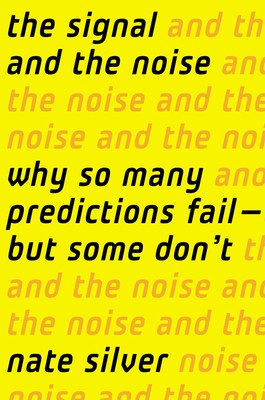
The Signal and the Noise
Nate Silver
Shows how to distinguish valuable signals in data amid noise for better forecasting and strategy.
Founder activity
Nobody has shelved this yet
Be the first founder to add it.