
Book summary
The Selfish Gene by Richard Dawkins presents a gene-centered view of evolution in which genes are the fundamental units of natural selection that act selfishly to ensure their own replication. Organisms are portrayed as temporary vehicles or survival machines built by genes to facilitate their propagation across generations through mechanisms like altruism toward relatives and manipulation of behavior. The book explains complex evolutionary phenomena such as kin selection, reciprocal altruism, and the origins of cooperation using this perspective while challenging group-selectionist ideas. Its core argument is that what appears as organism-level purpose is ultimately driven by the blind competition of immortal genes.
Key founder lessons
-
1
Genes as replicators, founders as vehicles
View your startup as a temporary vehicle for replicating the core idea; prioritize idea propagation over personal attachment.
-
2
Memes compete like genes
Treat company culture and product features as memes that must outcompete rivals for mindshare and replication.
-
3
Altruism serves gene survival
Strategic cooperation with partners or investors is acceptable when it ultimately advances your venture's long-term replication.
-
4
Extended phenotype shapes success
Actively engineer your ecosystem—tools, networks, branding—to extend your startup's influence beyond its direct control.
-
5
Replicators ignore individual welfare
Ruthlessly cut failing initiatives or pivot early, as genes discard organisms that no longer aid replication.
Grok's review
Brilliant metaphor that overpromises on human behavior.
Dawkins' gene's-eye view is a masterclass in clear, provocative thinking that forces you to reframe competition, cooperation, and strategy—valuable for any founder wrestling with incentives, culture, and long-term survival. The core ideas on replicators, memes, and altruism as disguised selfishness still illuminate startup dynamics like network effects, team alignment, and why some companies eat their young. Weaknesses include repetitive padding in the middle chapters, some dated 1970s examples that feel creaky, and evidence that's more elegant argument than rigorous data; the later extensions into human psychology and culture have been heavily critiqued as oversimplifications. Still absolutely worth a founder's time if you read it as a powerful lens rather than gospel.
Best for: Founders seeking deeper models of incentives and evolution in business.
Similar books
-
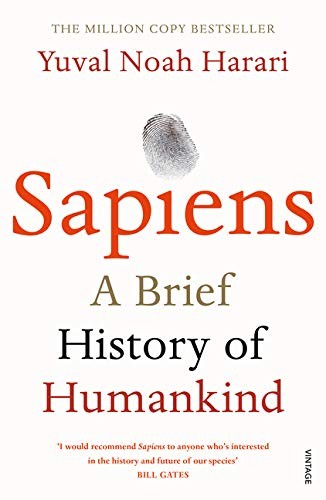
Sapiens
Yuval Noah Harari
Reveals how myths and stories shape cooperation, offering startup lessons on culture and scaling teams.
-

Thinking, fast and slow
Daniel Kahneman
Exposes cognitive biases that derail decisions, vital for better founder judgment and strategy.
-

The Psychology of Money
Morgan Housel
Explains timeless behaviors around risk and greed that drive startup investing and fundraising.
-

Fooled by randomness
Nassim Nicholas Taleb
Shows how luck and uncertainty dominate outcomes, teaching resilience for volatile startup life.
-
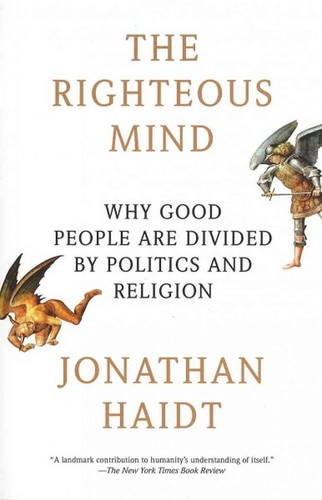
The Righteous Mind
Jonathan Haidt
Illuminates moral intuitions that fuel group cohesion, helping build aligned company cultures.
-

Behave
Robert M. Sapolsky
Unpacks the biology of human actions, providing deep insights into motivation and leadership.
Founder activity
Nobody has shelved this yet
Be the first founder to add it.