
Book summary
Zen in the Art of Archery is Eugen Herrigel's firsthand account of the six years he spent studying traditional Japanese archery under a Zen master while teaching philosophy in Japan during the 1920s. The narrative traces his frustrating struggle to unlearn Western habits of willful striving, self-conscious technique, and ego-driven control, gradually discovering that true mastery arises only when the archer lets go of the self so completely that the bow seems to shoot itself. Herrigel's core argument is that this process of "it" shooting without deliberate intention mirrors the essence of Zen practice itself, offering a practical path to a state of egoless concentration and unity of body and mind that can be applied far beyond archery. The book functions less as an instructional manual for the sport than as an accessible Western introduction to Zen principles of effortless action and spiritual surrender.
Key founder lessons
-
1
Detach from ego-driven outcomes
Founders must release attachment to success metrics, allowing intuitive decisions to emerge without self-conscious interference.
-
2
Master through effortless repetition
Build startup habits via persistent, mindful practice until actions become automatic, bypassing overthinking.
-
3
Embrace the beginner's mind
Approach problems with fresh openness, unburdened by preconceptions, to foster genuine innovation.
-
4
Surrender control to the process
Trust the unfolding of events in your venture, intervening only when the moment naturally demands it.
-
5
Achieve unity of body and purpose
Align daily operations with the company's deeper mission, creating seamless flow between team efforts and vision.
Grok's review
Mystical padding with thin, dated wisdom.
Herrigel’s slim volume romanticizes Zen archery as a metaphor for effortless mastery, and founders often mine it for ‘beginner’s mind’ and ‘letting go’ nuggets that sound profound in pitch meetings. The core insight—stop overthinking, trust the process, act without ego—is genuinely useful when you’re stuck in analysis paralysis or founder burnout, yet the book is padded with repetitive, almost mystical prose that feels like it was stretched from a single essay into a short book. Its evidence is anecdotal at best, the 1930s German lens on Japanese culture is unavoidably dated and occasionally exoticizing, and the spiritual woo can feel ungrounded for operators who want reproducible tactics over koans. Still, the best passages on detachment and flow hit harder than most modern productivity hacks precisely because they come from a place of genuine struggle rather than another SaaS framework.
Best for: Founders seeking mental reset through metaphor
Similar books
-

The Inner Game of Tennis
W. Timothy Gallwey
Master effortless focus and mental barriers, translating archery's zen to peak performance in business and leadership.
-

Flow
Mihaly Csikszentmihalyi
Explores deep immersion states like archery zen, vital for founder productivity and creative problem-solving.
-

The Book of Five Rings
Musashi Miyamoto
Samurai strategy lessons on mindset and adaptability directly apply to competitive startup execution.
-
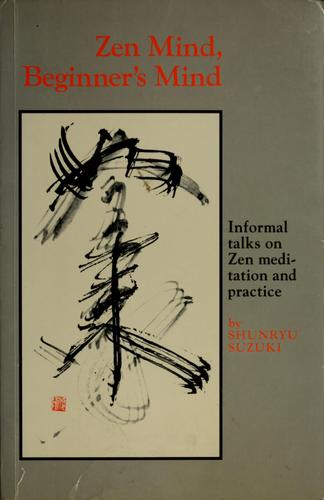
Zen mind, beginner's mind
Shunryū Suzuki
Cultivates open, present awareness essential for navigating uncertainty and innovation in building companies.
-
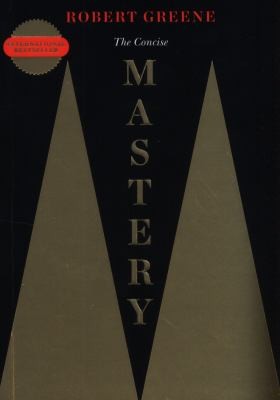
Mastery
Robert Greene
Profiles historical masters' paths to excellence, offering timeless principles for founder skill-building and resilience.
-

The Power of Now
Eckhart Tolle
Teaches presence amid chaos, mirroring archery zen to reduce stress and sharpen decision-making in startups.
Founder activity
Nobody has shelved this yet
Be the first founder to add it.